
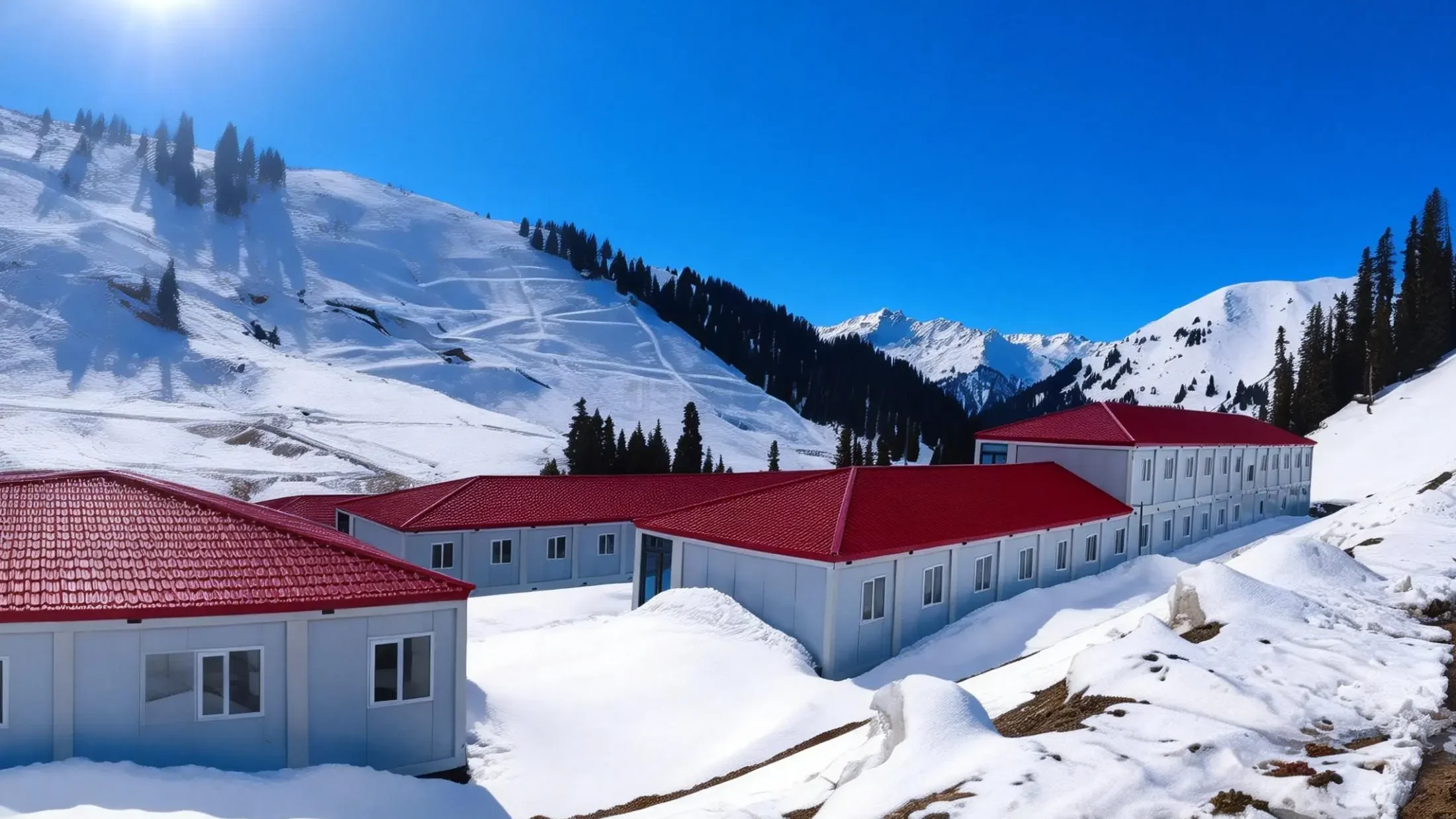
Modular Units for Workers: How to Ensure Comfort and Safety on Construction Sites
- Apr, Tue, 2026
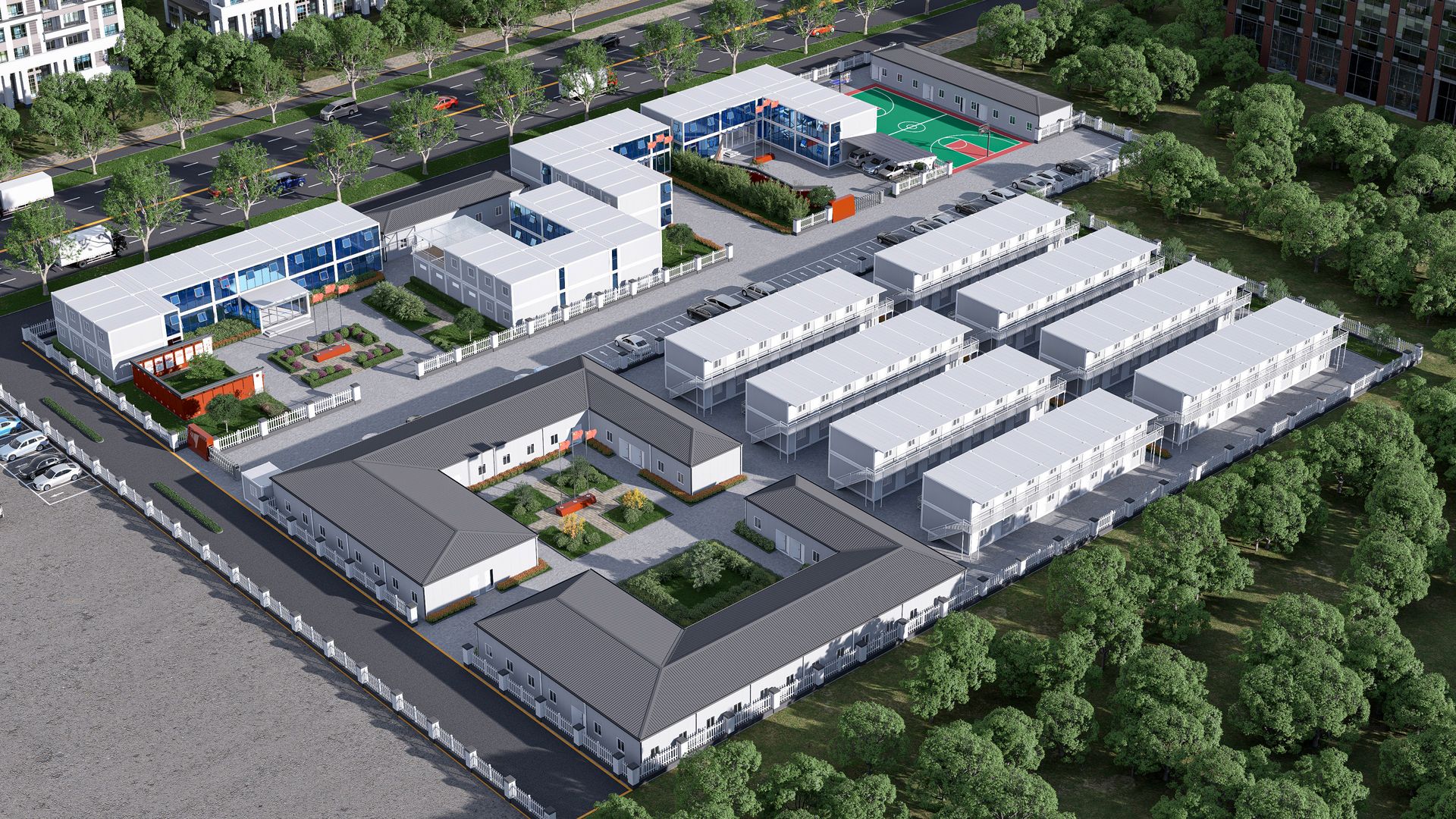
Ensuring comfort and safety on construction sites starts with the right selection and equipping of modular site cabins (contractor offices and dormitories). Modern technology has transformed temporary structures into fully functional spaces for productive work and staff rest.
Below are key guidelines and recommendations based on current regulations and industry best practices.
1. Choosing the Right Structure: Why Old Cabins Are Becoming Obsolete
To guarantee safety and comfort in any weather, it is important to understand the difference between outdated solutions and modern factory-made modular units.
| Feature | Outdated Cabins (Particle Board) | Modern Modules (Sandwich Panels) |
| Wall Material | Particle board | Galvanized steel + non-combustible mineral wool insulation (NG) |
| Seasonality | Warm season only | Year-round (down to -55 °C) |
| Fire Safety | High flammability; heaters and welding prohibited | Non-combustible materials (KM0 class), Fire resistance class II |
| Comfort | Poor insulation, condensation, stuffy air | Stable microclimate, efficient heating and ventilation |
Conclusion: For safe winter operation, choose certified modules made of sandwich panels with insulation thickness from 100 to 150 mm.
2. Top Priority: Fire Safety
The Code of Practice imposes strict requirements on modular buildings:
For old particle-board cabins, the following is PROHIBITED: smoking, open flames, welding, storage of flammable liquids, installation of gas or electric heating devices without authorization.
For modern modules, these restrictions are lifted due to the use of non-combustible materials.
Electrical safety: all wiring must be in insulated conduits; sockets must be grounded. Factory-made modules have this completed during production.
Firefighting equipment: a powder or CO₂ fire extinguisher, automatic fire alarm, and warning system are mandatory.
Evacuation routes: doors must open outward easily. Fixed grilles on windows are prohibited.
3. What a Safe and Comfortable Module Includes (Standard Configuration)
A quality module is delivered with a high degree of factory prefabrication (“turnkey”). Minimum requirements:
Heating and climate control: electric convector with thermostat; air conditioning if needed.
Electrical system: distribution panel with RCD (УЗО), internal wiring using VVGng (flame-retardant) cable, sufficient outlets (e.g., 6 units), LED lighting (illuminance ≥200 lux at workstations).
Lighting: natural (PVC windows with energy-efficient double glazing) and artificial (LED).
Safety certification: fire safety certificate (Fire resistance class II, material class C0/KM0).
4. Organizing a Modular Camp: Standards and Zoning
When a full camp is required, follow these rules:
Layout and zoning: the camp must include administrative offices, changing rooms, showers, sanitary facilities, a canteen, and a first-aid post.
Distances: the camp must be located at least 50 m from the building under construction.
Area norms: 4 m² per employee in office spaces and 6 m² in living rooms.
5. Key Takeaways
Choose modern materials: reject particle-board cabins in favor of mineral wool sandwich panel modules — this is the foundation of safety and warmth.
Request certificates: ensure the module has a fire safety certificate (Fire resistance class II).
Inspect the electrical system: it must be factory-installed, with circuit breakers, grounding, and concealed wiring.
Provide all essentials: the module must have heating, ventilation, a fire extinguisher, and an evacuation plan.
If you have specific operating conditions (e.g., the Far North or constrained urban sites), we are ready to prepare custom recommendations for your project.