
What is a modular hotel?
The Modular Hotel: A Comprehensive Guide to the Future of Hospitality Construction
The hospitality industry, perpetually evolving to meet shifting traveler demands and economic realities, is in the midst of a quiet revolution. At the forefront of this change is the modular hotel—a construction methodology that is fundamentally redefining how hotels are designed, built, and operated.
Far from being a fleeting trend, modular construction represents a paradigm shift, offering a faster, smarter, and more sustainable path to creating hotel spaces. This article provides a deep dive into the world of modular hotels, exploring what they are, the intricate process behind their creation, their compelling advantages, potential challenges, and their pivotal role in the future of hospitality.
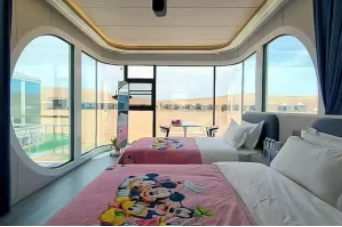
1. What is a Modular Hotel? Deconstructing the Concept
A modular hotel is a building constructed using prefabricated rooms or sections, known as “modules,” which are manufactured off-site in a controlled factory environment. Once these modules are complete—often with interior finishes, fixtures, furniture, and even amenities like bathrooms fully installed—they are transported to the hotel site and assembled onto a prepared foundation, like three-dimensional Lego bricks.
It is crucial to distinguish this from traditional “stick-built” construction, where every component—from individual bricks to electrical wires—is assembled piecemeal on-site, exposed to the elements and subject to countless potential delays.
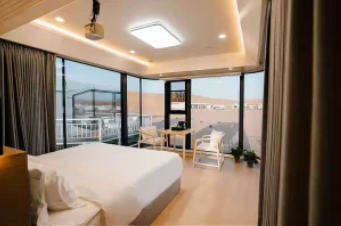
Key Terminology and Methods:
- Volumetric Modular Construction: This is the most common and complete method for hotels. Entire rooms—including en-suite bathrooms—are constructed as fully finished, volumetric boxes. These “room pods” are then stacked and connected to form the hotel superstructure.
- Panelized Construction: This method involves fabricating flat wall, floor, and roof panels off-site, which are then assembled on-site to create the building envelope. While faster than traditional build, it is less integrated than the volumetric approach for hotel room production.
- Permanent Modular Construction (PMC): This term emphasizes that the building is intended to be a permanent structure, meeting or exceeding all the same building codes and quality standards as a site-built equivalent. This dispels the myth that modular buildings are temporary or inferior.
2. The Lifecycle of a Modular Hotel: From Factory to Front Desk
The process of creating a modular hotel is a masterclass in parallel workflow and precision engineering.
Phase 1: Design and Engineering
The journey begins not on a construction site, but on a computer screen. Architects, engineers, and the modular manufacturer collaborate intensely using Building Information Modeling (BIM). This digital 3D model is critical; it ensures that every MEP (Mechanical, Electrical, Plumbing) line, structural connection, and interior detail is perfectly coordinated before production begins. This phase is more front-loaded than traditional design, as it locks in decisions to avoid costly changes later.
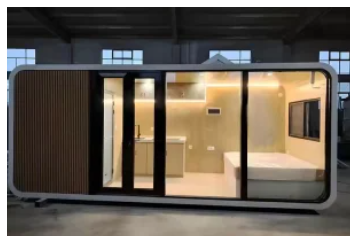
Phase 2: Factory Fabrication
While the site is being prepared—including ground clearing, laying the foundation, and installing underground utilities—the hotel rooms are being built simultaneously in a factory. This parallel process is the primary driver of time savings.
Inside the factory, assembly lines operate with remarkable efficiency:
- Quality Control: Materials are stored in controlled conditions, safe from weather damage. Work is performed by specialized crews in a safe environment, leading to consistently higher quality and fewer defects.
- Precision: Jigs and robotic assistance ensure millimetre-perfect accuracy. Walls are square, and tiles are laid on a level floor without the environmental variables of a job site.
- Finishings: Everything is installed in the factory: drywall, painting, flooring, lighting, plumbing fixtures, vanities, beds, desks, and even artwork on the walls. A module can leave the factory as a fully-furnished, guest-ready room.
Phase 3: Transportation and Logistics
Once complete, the modules are carefully transported to the construction site on flatbed trucks. This requires meticulous logistical planning to navigate routes, obtain necessary permits for oversized loads, and coordinate delivery schedules.
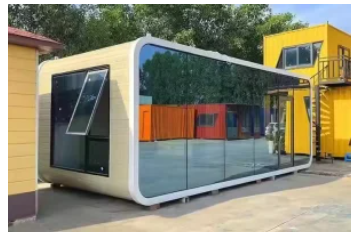
Phase 4: On-Site Assembly
This is the most visually dramatic phase. Using high-capacity cranes, the modules are lifted and meticulously placed onto the foundation. They are then bolted together at their structural connections. The process is incredibly swift; the core structure of a 100-room hotel can often be erected in a matter of weeks, rather than months.
Phase 5: Site Work and Commissioning
With the modules in place, the final stages commence:
- “Closing the Box”: The connections between modules are sealed, and the final building envelope, including exterior cladding and roofing, is completed.
- Systems Integration: The modules are connected to the central building systems—main electrical lines, water and sewer mains, HVAC ducts, and data networks.
- Final Touches: Common areas (lobby, restaurant, gym) that are often built using traditional or panelized methods are finished.
- Punch List and Handover: A final inspection ensures everything is operational and meets quality standards before the hotel is handed over to the owner and operator.
3. The Compelling Advantages of the Modular Approach
The benefits of building a hotel modularly extend far beyond mere speed.
- Dramatically Reduced Construction Time: This is the most significant advantage. By working on the foundation and the building concurrently, projects can be completed 30% to 50% faster. This allows hotel owners to:
- Open sooner and start generating revenue.
- Significantly reduce construction loan interest payments.
- Capitalize on market demand more effectively.
- Enhanced Cost Certainty: The factory environment allows for bulk purchasing of materials and minimizes waste through precise cutting and recycling. More importantly, it drastically reduces the risk of weather delays and on-site labor shortages, which are major sources of cost overruns in traditional construction. The budget becomes far more predictable.
- Superior Quality Control: Factory production eliminates the variables that plague on-site work. There is no rain to warp wooden frames, no moisture to create mold behind walls before the building is sealed, and no temperature fluctuations affecting materials. The result is a more consistent, durable, and higher-quality product.
- Improved Sustainability: Modular construction is inherently greener. The precision of factory manufacturing leads to up to 90% less material waste compared to site-built projects. Off-cuts are recycled within the factory. Furthermore, the tight construction of modules often results in better building envelope performance, leading to higher energy efficiency and lower operational carbon emissions for the life of the hotel.
- Mitigation of Labor Shortages: The construction industry faces a chronic skilled labor shortage. Modular factories can operate with a stable, trained workforce in a centralized location, lessening the dependency on the volatile availability of skilled trades on a specific site.
- Enhanced Safety: Construction sites are inherently dangerous. By moving the majority of the work to a controlled factory floor, the risk of accidents is significantly reduced. The on-site phase, which involves crane operation and module placement, is shorter and more managed.
4. Navigating the Challenges and Considerations
While the advantages are powerful, a balanced view requires acknowledging the hurdles.
- High Upfront Planning and Design: The design must be finalized early and with great precision. There is little room for improvisation or major changes once factory production has begun.
- Logistical Complexities: Transporting large modules from factory to site requires careful planning and can be challenging for sites in dense urban centers or remote locations.
- Perception and Financing: Some investors, lenders, and even guests may still hold outdated perceptions that modular buildings are of lower quality. Educating stakeholders and working with experienced modular providers is key to overcoming this.
- Initial Capital Outlay: The factory fabrication process requires a significant portion of the budget to be paid earlier in the project timeline compared to traditional draws.
5. The Future is Modular: A New Era for Hospitality
The modular hotel is perfectly aligned with the future needs of the hospitality industry:
- Adapting to New Demands: The need for more affordable, efficient, and scalable hotel models, such as extended-stay and micro-hotels, fits seamlessly with the modular approach.
- Renovation and Expansion: Existing hotels can use modular methods to add new wings or floors with minimal disruption to their ongoing operations. Renovations can also be executed by swapping out old modules for new ones.
- Resilience and Adaptability: In a post-pandemic world, the ability to build and adapt quickly is a tremendous strategic advantage. Modular hotels can be deployed to meet shifting travel patterns or even be repurposed if needed.
Conclusion: More Than a Building Method, a Business Strategy
The modular hotel is not a compromise; it is an optimization. It represents the maturation of the construction industry, applying manufacturing principles of efficiency, quality, and predictability to the complex world of hospitality development.
For hotel owners and developers, the question is no longer if modular construction is viable, but how it can be leveraged to gain a competitive edge. By offering a faster path to revenue, greater cost control, superior quality, and a smaller environmental footprint, modular construction is not just an alternative way to build a hotel—it is rapidly becoming the most intelligent and forward-thinking choice for the industry’s future.