
How Modular Houses Can Solve the Problem of Affordable Housing?
Affordable housing is one of the core issues facing today’s society, especially against the backdrop of accelerating urbanization and rising construction costs. Modular houses offer an innovative and economical solution that is expected to completely change the traditional model of housing construction.
Modular houses represent a revolutionary construction method that integrates rapid construction, cost-effectiveness, and environmental friendliness. The concept of modular construction can be traced back to the mid-20th century. At that time, facing the huge demand for large-scale urbanization and rapid post-war reconstruction, engineers and architects began to actively explore new ways to create affordable housing.
I. The First Modular House
The early prototypes of modular houses first appeared in the United States and European countries, mainly used as temporary residences for workers or victims of natural disasters. Although these early structures were simple and practical, they had certain limitations in design and durability. With technological progress, modular houses have undergone earth-shaking changes. Modern design schemes are not only aesthetically appealing but also fully meet all standards for comfortable living, including high energy efficiency, long service life, and strong adaptability to various climatic conditions.
The development of modular construction has benefited from the widespread application of innovative materials. For example, sandwich panels provide excellent thermal insulation performance and resistance to harsh external environments. Metal frames make the building structure both lightweight and sturdy, enabling it to adapt to almost all types of foundation soil.
The application scope of modular houses has expanded beyond private residences to a wide range of commercial projects. Many countries are using this technology to build schools, office buildings, hospitals, and hotels. For instance, in polar regions with extremely harsh climatic conditions, modular houses are particularly widely used due to their outstanding advantages in structural strength and thermal insulation performance.
In addition, modular buildings are also an ideal choice for constructing temporary residences. This is particularly important for areas prone to natural disasters, or places that require rapid deployment of infrastructure (such as construction sites or shift camps).
Today, thanks to leading industry manufacturers like JS-HOUSES, modular construction is becoming increasingly popular and accessible. Its products integrate cutting-edge technology, can fully adapt to various harsh climatic environments, and provide highly personalized design solutions. Modular houses manufactured by market-leading enterprises comply with strict quality standards, making them an ideal way to achieve comfortable and affordable living.
II. Advantages of Modular Houses
Cost-Effective: Modular houses adopt a factory mass production model, which significantly reduces manufacturing and construction costs. Their average cost is 30% to 40% lower than that of traditional buildings, and due to process optimization, the construction period can be shortened to within a few weeks.
Versatile: Modular buildings are suitable for a variety of purposes, from residences to offices, schools, hospitals, and hotels, and can be flexibly adjusted according to the specific needs of customers.
Environmentally Friendly: The production process of modular houses greatly reduces the generation of construction waste, and most of the main materials (such as metal and sandwich panels) are recyclable.
Mobile and Flexible: Modular houses are easy to transport and install, making them an ideal choice for both temporary and permanent living needs.
Easy Installation: Modular houses are assembled on-site from prefabricated units, which greatly reduces the reliance on complex on-site construction processes.
III. How Modular Houses Solve the Problem of Affordable Housing
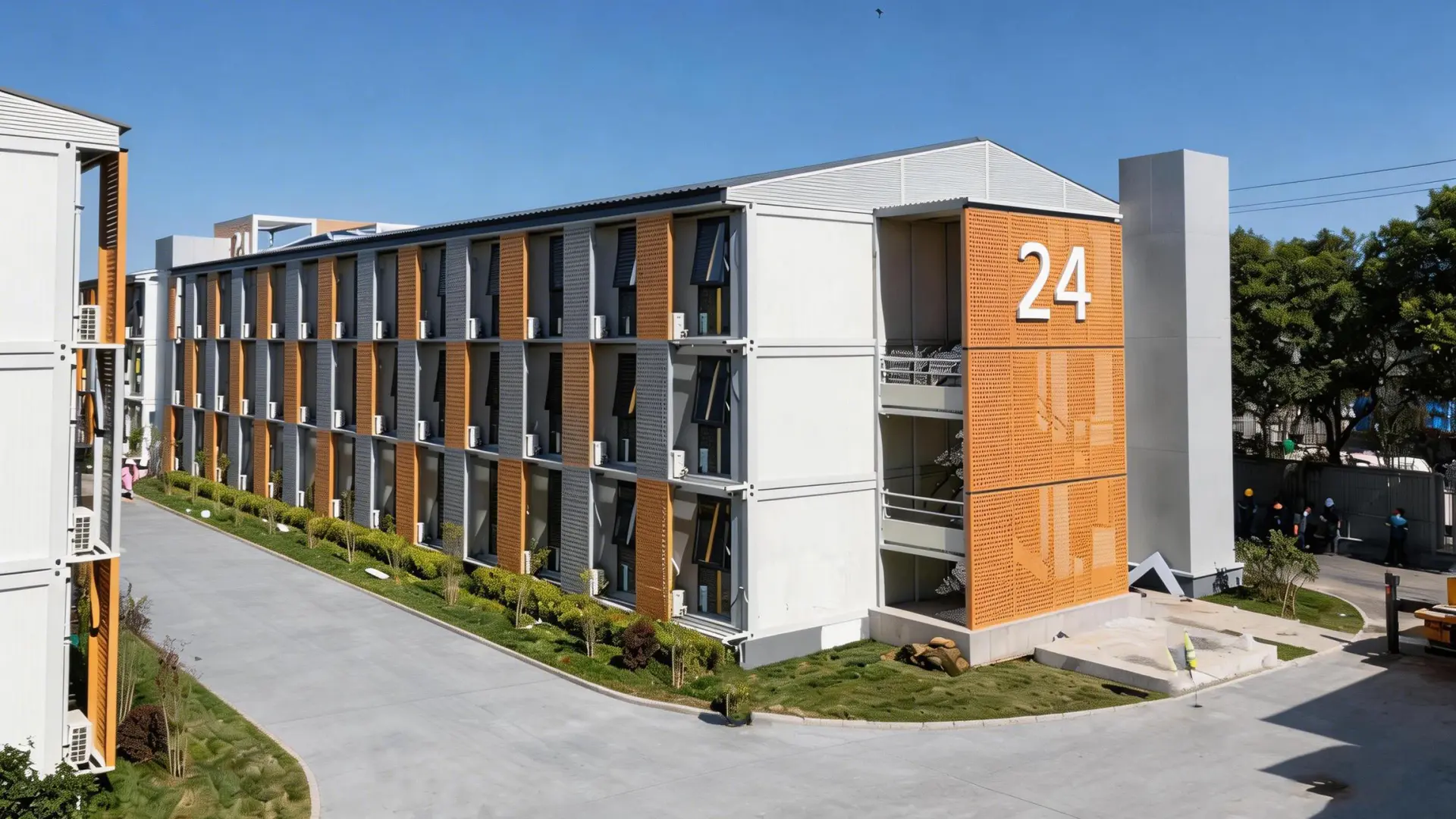
Extremely Fast Construction Speed: Rapidly assembled buildings can meet occupancy standards within 2 to 4 weeks, enabling quick response to the urgent needs of population resettlement.
Flexible Expandability: The living area can be easily expanded by adding new modular units as needed.
High Accessibility in Remote Areas: Modular houses are easy to transport to remote areas with inconvenient transportation and weak infrastructure, which is particularly important for regions with underdeveloped road networks and complex terrain.
Minimized Overall Costs: The total cost of container-type residential modules is much lower than that of building traditional brick-concrete or concrete structures.
IV. Modular Housing Solutions Adapted to Different Climatic Characteristics
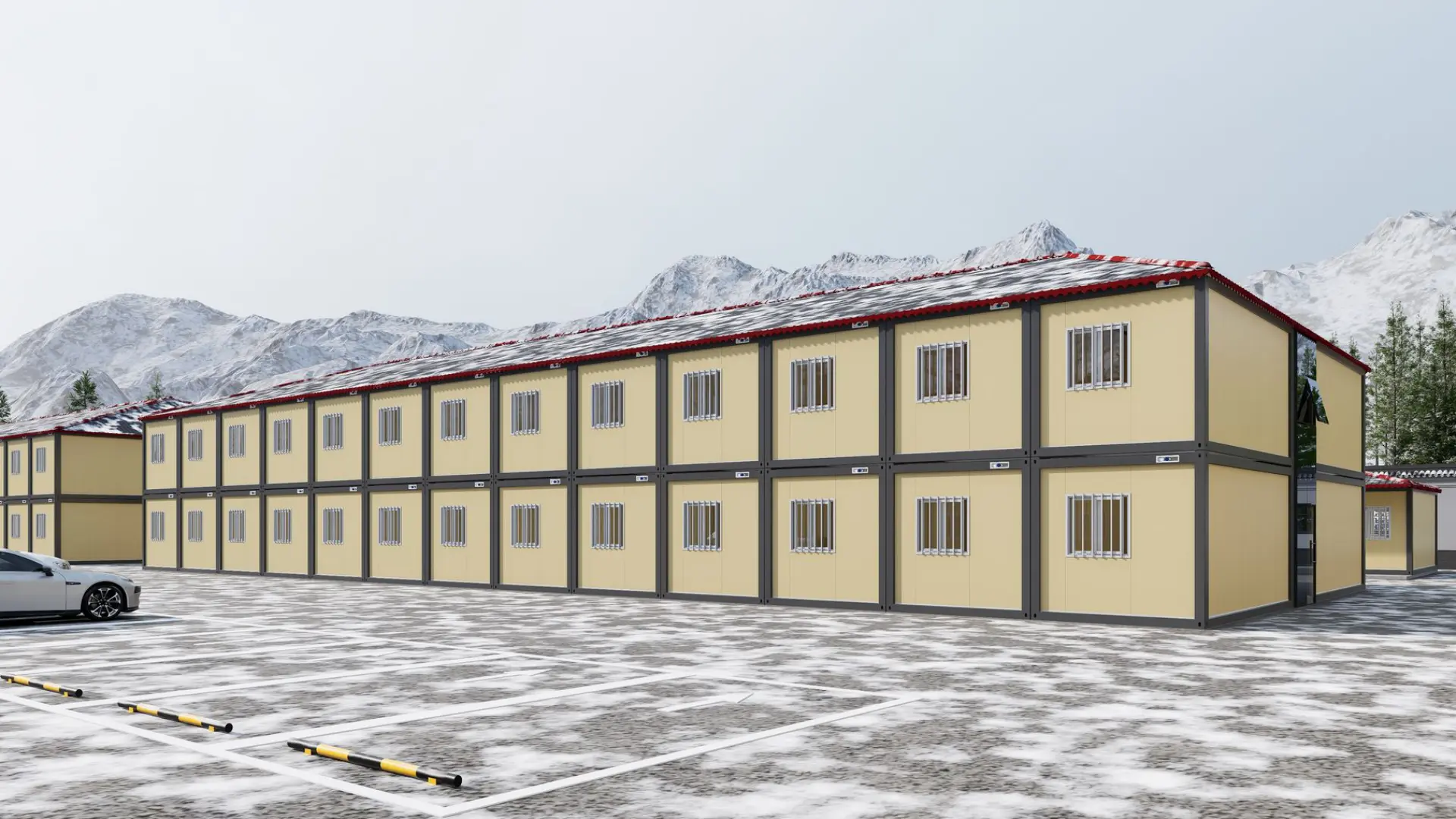
Unstable Foundations in Temperate Climate Zones: In areas with soft soil, frost heave, or high water content, traditional deep foundation construction is expensive and time-consuming. Modular houses can be conveniently installed on pile foundations or strip foundations, significantly saving budget and time costs.
Extreme Low-Temperature Areas: In harsh environments where temperatures can drop to minus 50 degrees Celsius with strong winds, modular houses built with reinforced sandwich panels can provide reliable cold protection and excellent thermal insulation performance.
High Humidity and Heavy Precipitation Areas: To address the environmental conditions of frequent rainfall and high groundwater levels, modular buildings effectively tackle humidity challenges by adopting metal structure foundations with excellent anti-corrosion and anti-erosion performance.
Southern Coastal and Leisure Resort Areas: In warm climates with a booming tourism industry, modular houses have become an ideal solution for quickly constructing resort hotels and tourist homestays due to their no need for a long on-site construction period.
V. Professional Practice of Modular Construction
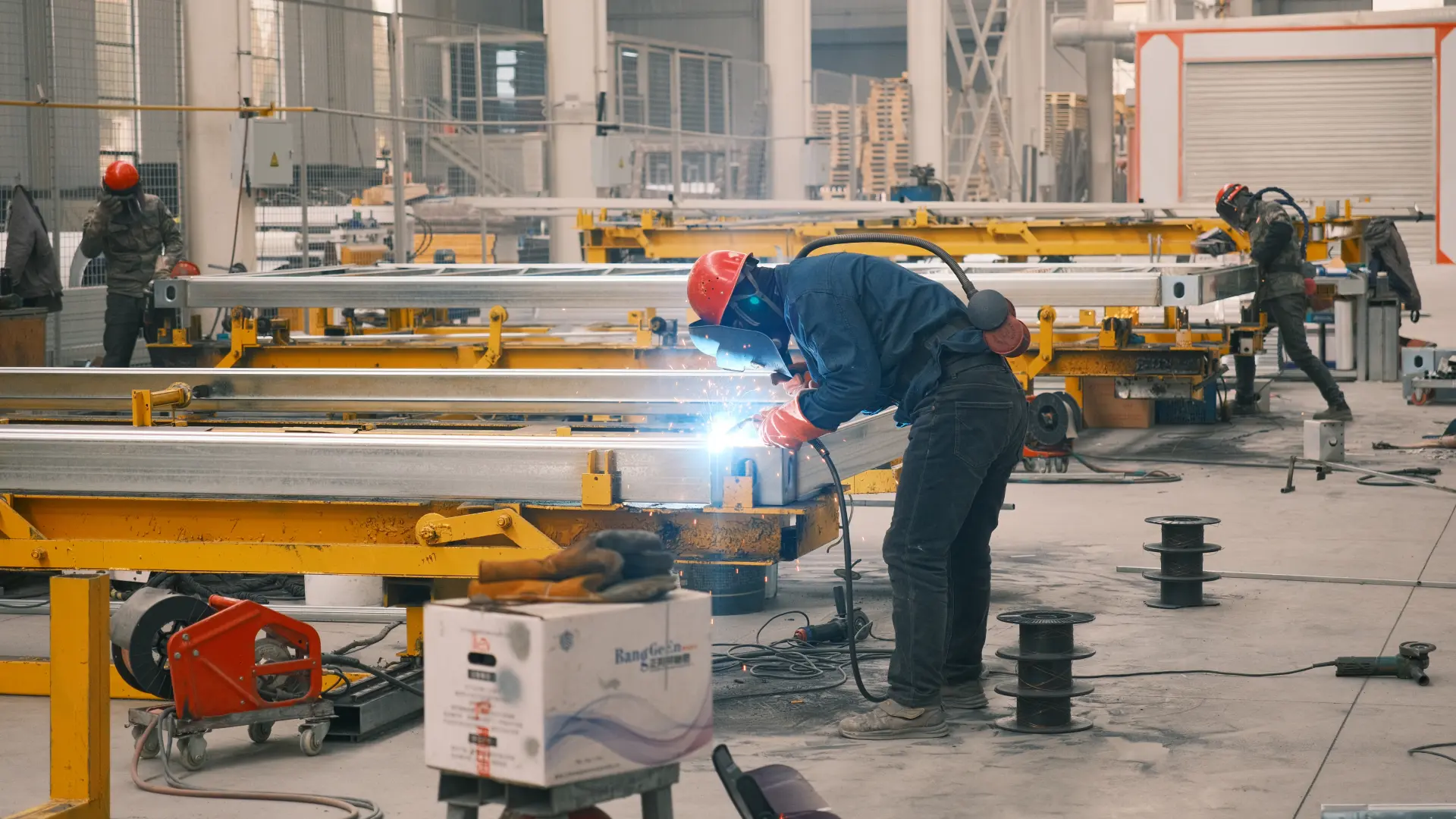
Enterprises specializing in the production of modular buildings (whose products include modular residences, schools, hospitals, and hotels) ensure that their products can withstand the test of various regional climatic conditions by using high-quality materials such as sandwich panels. Modern modular houses have the following core advantages:
- Excellent energy efficiency.
- Robust and reliable structural system.
- Highly personalized design space.
Experts from JS-HOUSES point out that the key to the increasing popularity of modular technology lies in the perfect combination of factory-level manufacturing precision and the advantages of rapid on-site assembly, thereby greatly reducing the adverse impact of human error and harsh weather on the construction period and quality.
VI. Future Prospects of Modular Houses
Modular houses are an innovative measure to solve the problem of affordable housing. Their development history has witnessed the evolution from simple temporary buildings to modern high-quality residences that can meet the needs of even the most demanding customers. With the comprehensive advantages of economy, convenience, and environmental friendliness, modular houses can meet people’s desire for high-quality living space in a very short time. JS-HOUSES predicts that in the next few years, modular technology will become the core driving force for solving housing problems in remote and rapidly developing areas under various climatic conditions.