
Why Experienced Project Managers Ask Better Questions About Modular Buildings
Why Do Experienced Construction Project Managers Ask Suppliers Different Questions?
Why Price Is Almost Never Their First Concern
When someone purchases a modular building for the first time, the conversation usually starts with the same question:
“How much does it cost?”
It is a completely reasonable question.
Whether the project involves a construction camp, worker accommodation, temporary offices, remote-site housing, or a modular facility in an isolated area, budget control is always an important factor.
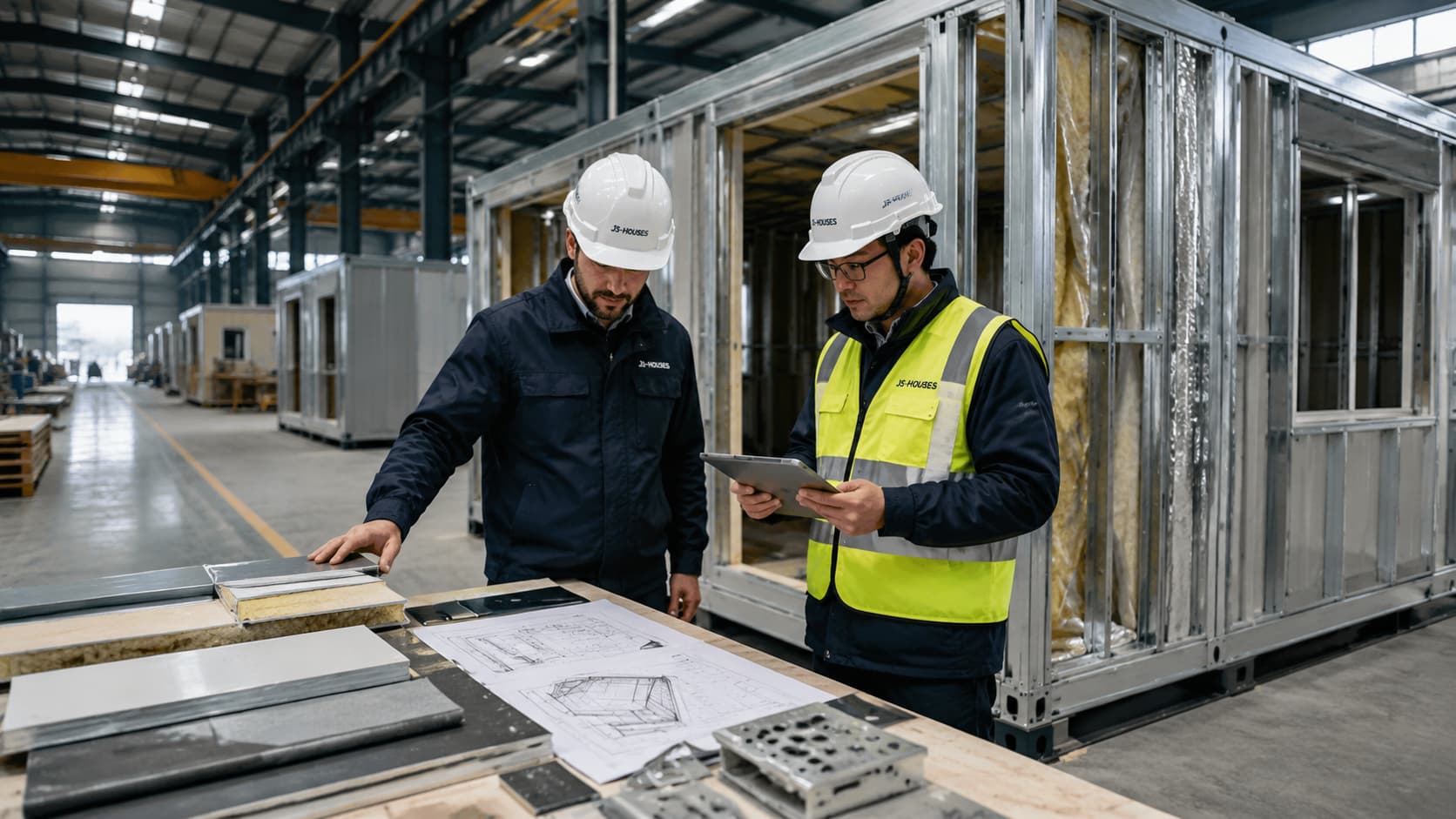
However, after managing several projects, experienced construction managers usually discover something important:
The most expensive mistakes rarely happen on the day of purchase. They appear months or years later during operation.
That is why experienced project managers often ask suppliers completely different questions.
They understand that the initial price of modular homes, prefab homes, or modular worker accommodation is only one part of the total project cost.
The real value of a modular building depends on many factors:
- How long will it last?
- How easy is it to maintain?
- Can it be relocated?
- Can it be expanded?
- Can it be reused after the project ends?
These questions determine whether a modular building becomes a long-term asset or simply another project expense.
“The purchase price tells you what you pay today. The right questions help you understand what the project will cost throughout its entire lifecycle.”
Price Is Only the Beginning of the Conversation
Experienced buyers rarely choose a supplier based only on the lowest quotation.
Of course, price matters.
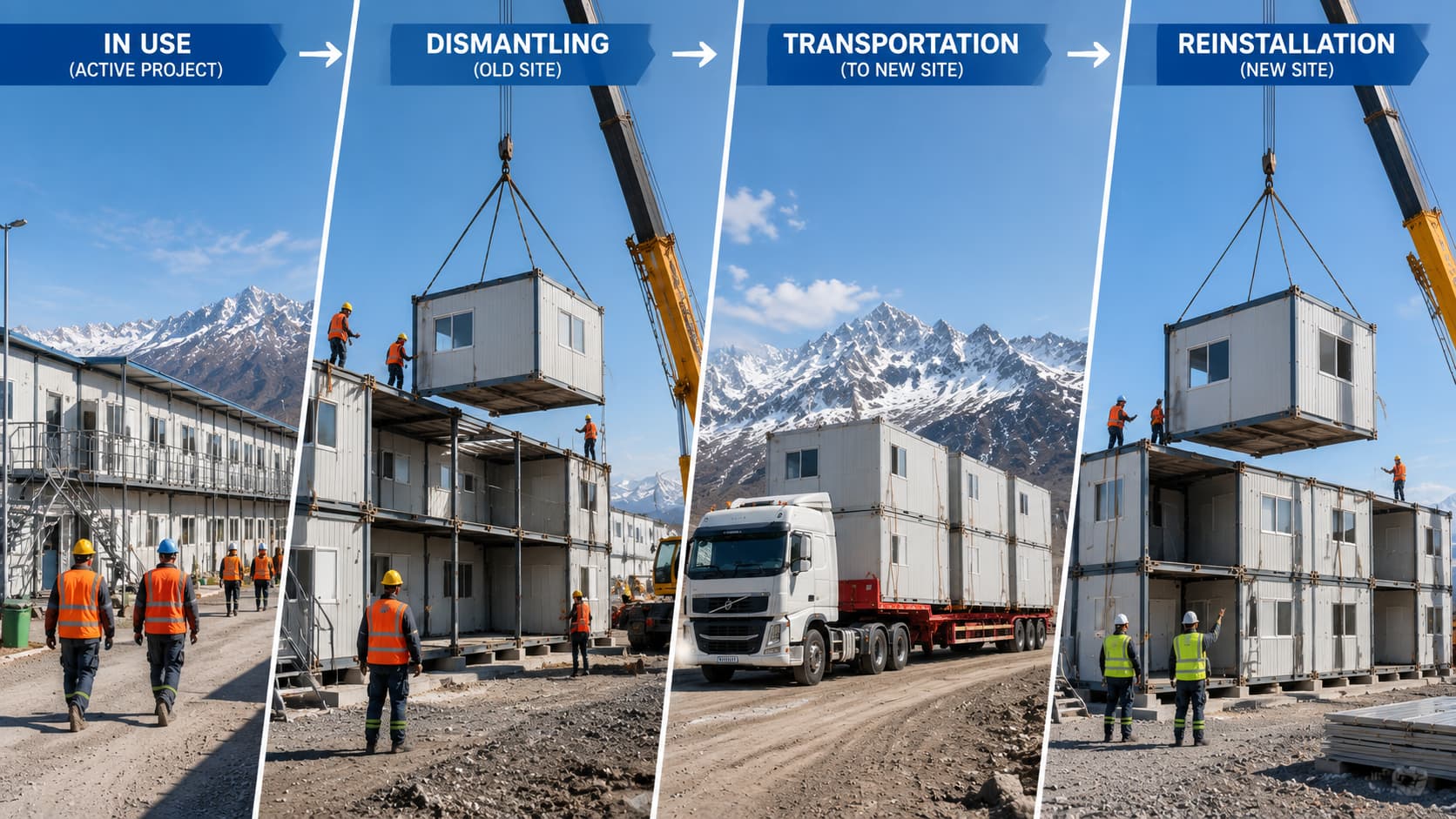
However, the initial purchase cost alone cannot fully represent the value of a modular building. For example, two visually similar prefab houses may have significant differences in:
- Steel frame quality
- Insulation performance
- Corrosion protection
- Material durability
- Maintenance requirements
- Service life
At the beginning of a project, these differences may not seem obvious.
But after several years of operation, especially in challenging environments with extreme temperatures, heavy snow, strong winds, or remote locations, these details can directly affect:
- Heating costs
- Repair frequency
- Maintenance workload
- Worker comfort
- Overall project efficiency
That is why experienced project managers consider more than the initial quotation.
They evaluate the complete lifecycle value of the building.
Before making a decision, they often ask:
- How durable are the materials?
- How easy is it to replace damaged components?
- Are spare parts available?
- How simple is future maintenance?
- What are the long-term operating costs?
The earlier these questions are answered, the fewer unexpected problems appear during the project.
❌ First-Time Buyer
- How much does it cost?
- Is there a discount?
- When can it be delivered?
- What is the floor area?
✅ Experienced Project Manager
- How long will the building last?
- What are the long-term operating costs?
- How easy is maintenance and relocation?
- Can the building be expanded later?
What Happens After the Project Is Completed?
Almost every construction project eventually comes to an end.
However, many buyers do not consider what will happen to the modular buildings afterward.
This is where experience makes a major difference.
Experienced managers do not see a modular building as a one-time purchase.
They see it as an asset that can continue creating value even after the first project is completed.
Instead of only asking:
“How much does this modular accommodation cost?”
They also ask:
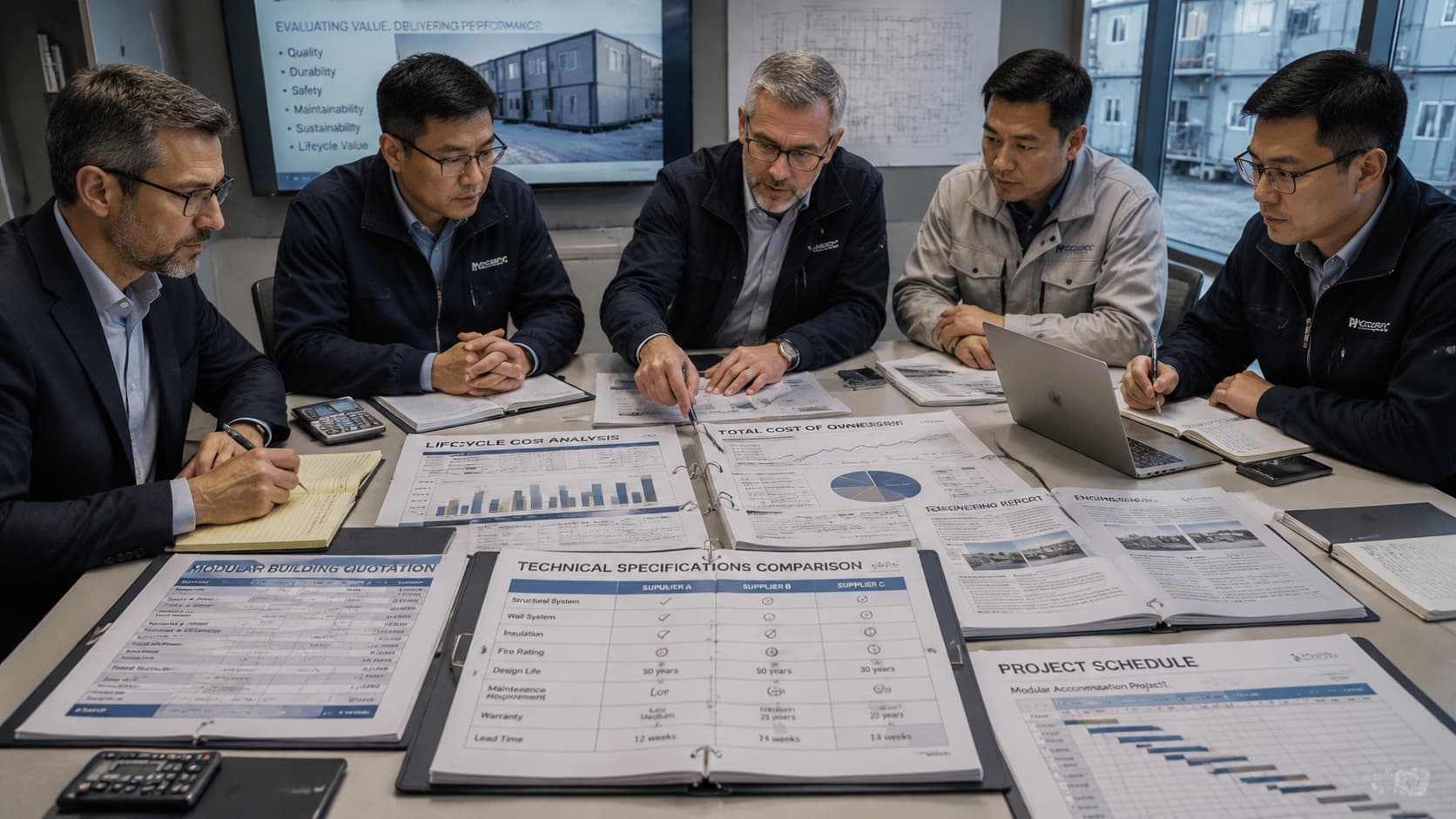
- Can the building be relocated to another site?
- How easily can it be dismantled?
- Can additional modules be added in the future?
- Can individual units be replaced without rebuilding the entire facility?
- Will the building maintain value after repeated use?
Modern modular homes housing and modern modular homes are increasingly designed with flexibility in mind.
For example, modular worker accommodation used in construction, mining, energy, and infrastructure projects can often be relocated to another site after the original project ends.
This ability to reuse and adapt the building can significantly improve its overall return on investment.
The Questions That Help Identify a Reliable Supplier
Interestingly, experienced project managers usually do not ask more questions.
They ask better questions.
During supplier discussions, they are not only evaluating the building itself.
They are also evaluating the manufacturer's ability to support the entire project.
Common questions include:
- What production standards are followed?
- Are there completed projects that can be reviewed?
- How quickly can replacement parts be supplied?
- What insulation materials are used?
- Can the modular system be expanded in the future?
- What type of technical support is available after delivery?
These questions help buyers understand not only the quality of the product but also the reliability of the supplier.
A modular building supplier is not simply providing walls, roofs, and rooms.
They are becoming a long-term partner responsible for helping the project succeed.
This is why experienced buyers rarely make decisions based only on a catalog or a price comparison.
They evaluate the complete solution.
“A good supplier does not only sell a modular building. They provide a solution designed to work throughout the entire project lifecycle.”
The Best Solution Is Rarely the Cheapest or the Most Expensive
There is a common belief that successful purchasing means finding the lowest possible price.
In reality, experienced professionals understand that the cheapest option is not always the most economical choice.
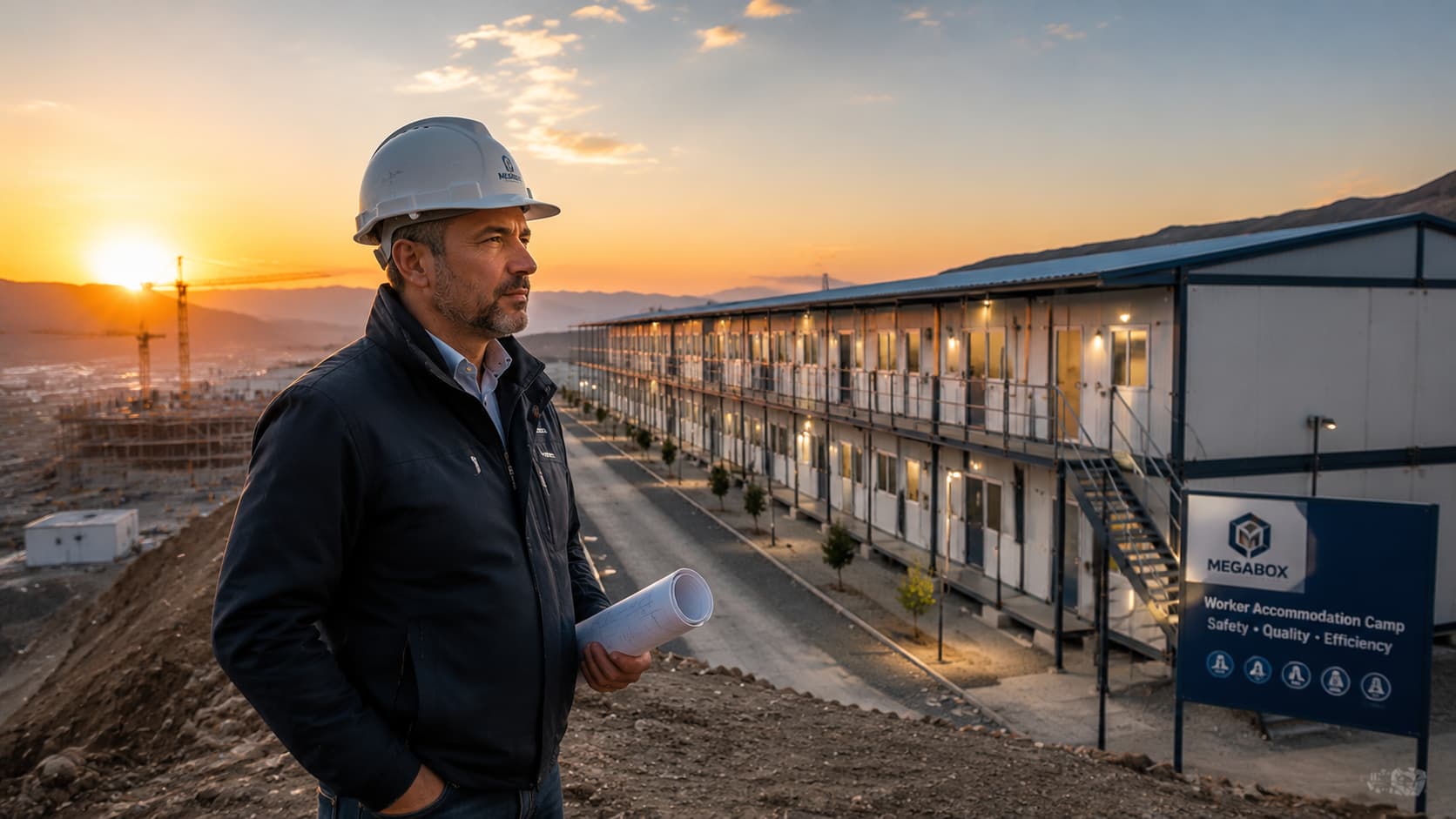
A very low-cost solution may create additional expenses through:
- Frequent repairs
- Poor insulation performance
- Difficult maintenance
- Limited reuse options
- Short service life
At the same time, the most expensive solution is not automatically the best one either.
The ideal choice is the solution that matches the actual requirements of the project.
A high-value modular building should provide:
- Reliable structural performance
- Comfortable living conditions
- Easy maintenance
- Flexible expansion options
- Possibility of relocation and reuse
That is why experienced construction managers do not begin supplier conversations with only one question:
“What is the price?”
They begin with questions that help them avoid problems in the future.
Because real experience is not about knowing every answer.
It is about knowing which questions should be asked first.
Want to learn more about modular solutions for your project? Contact our team →