
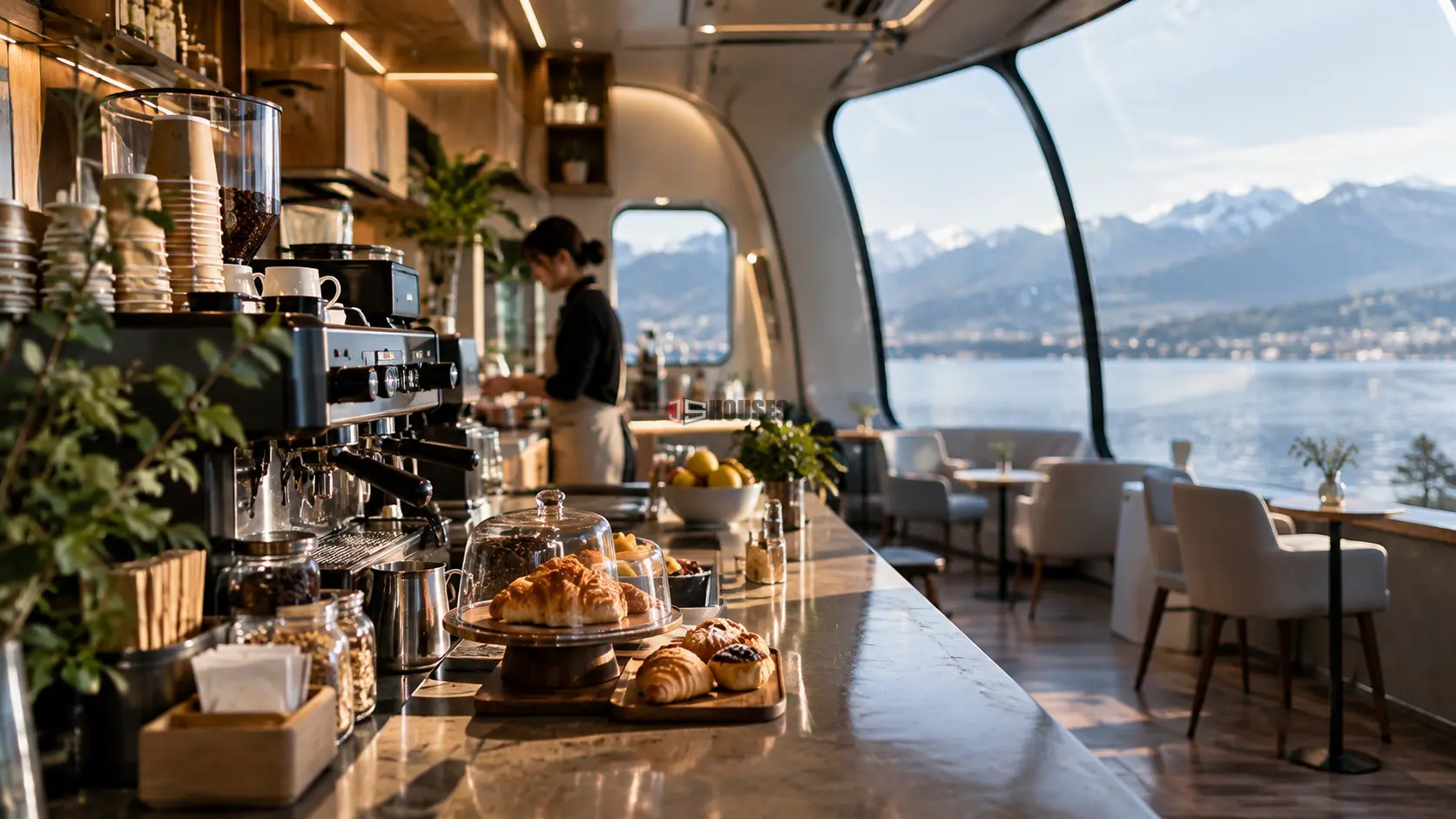
Can a Small Space Capsule Business Survive Seasonal Demand?
Can a Small Space Capsule Business Survive Seasonal Demand?
The Question Many Buyers Forget to Ask
A space capsule can look like an attractive business opportunity. A small cafe beside a lake, a food shop near a scenic area, or a rental capsule in the mountains can all create a strong customer experience.
But there is one question that is often overlooked during the purchasing process:
What happens when the busy season ends?
During peak season, a capsule cafe may have customers waiting outside. A vacation rental may be booked almost every night. A scenic area may be full of visitors.
Then the weather changes, tourist numbers fall, and the same capsule may sit unused for weeks.
The problem is not necessarily the Space Capsule itself. The bigger question is whether the business model can survive seasonal demand.
Before buying a Space Capsule House for commercial use, buyers should therefore look beyond the purchase price and peak-season revenue. They should consider how the space will be used throughout the year, what costs continue during low season, and whether the capsule can generate value in more than one way.
1. First, Calculate Your Real Operating Season
One of the most common mistakes is to calculate a business based on its best months.
For example, imagine a small capsule café located in a popular tourist destination. It may perform extremely well during a four-month summer season. But that does not mean the same customer volume will continue for twelve months.
Instead of asking:
"How much can I make on a busy day?"
ask:
"How many days of the year can this business realistically generate steady income?"
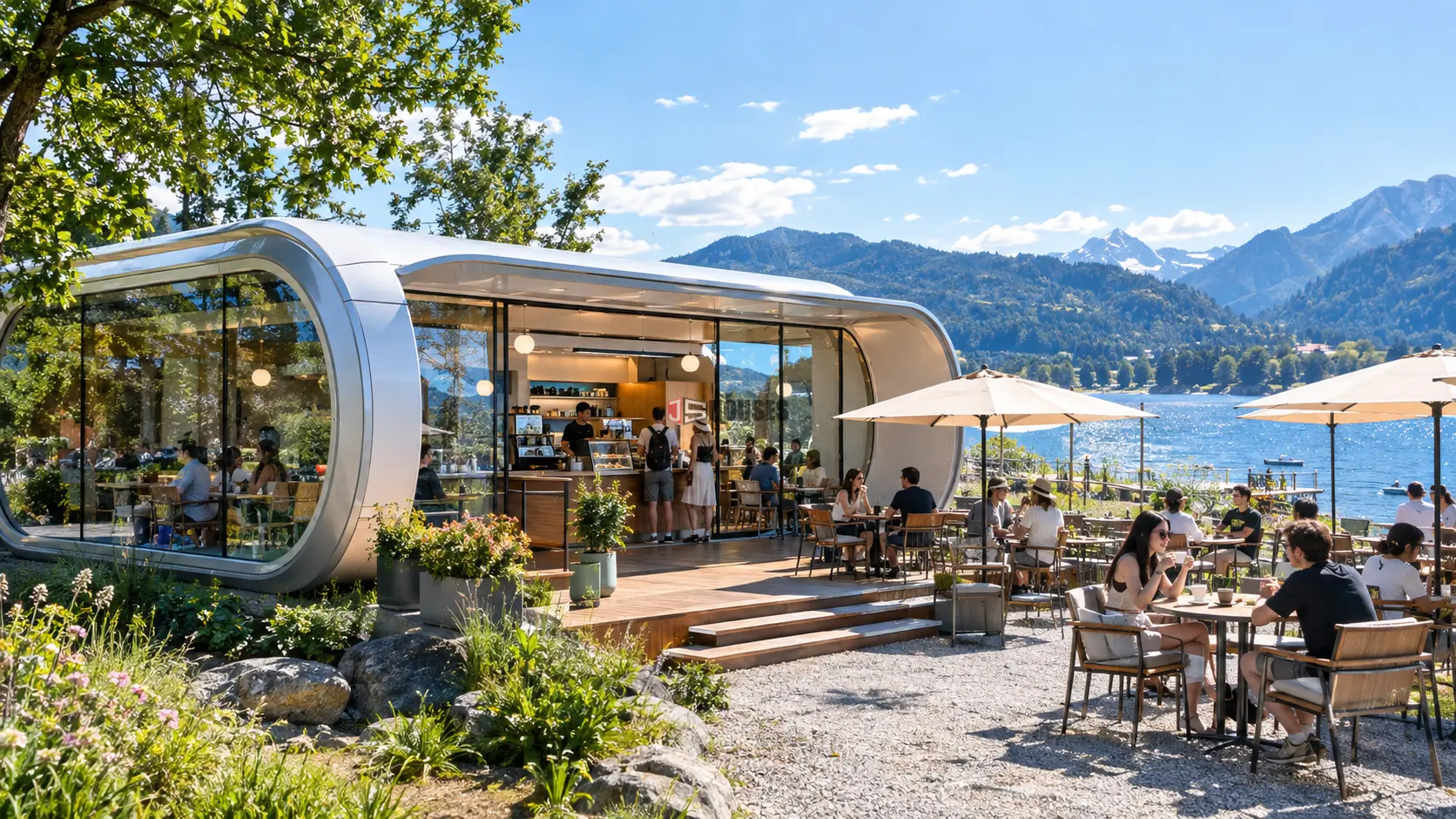
A simple seasonal breakdown can help:
| Period | Customer Demand | Business Strategy |
|---|---|---|
| Peak Season | High | Maximize sales and occupancy |
| Shoulder Season | Medium | Adjust products, hours or pricing |
| Low Season | Low | Reduce costs or introduce another use |
This distinction is important for both commercial buyers and individual investors.
A capsule used as a café, snack shop or tourist rental may have excellent peak-season potential, but its annual performance depends on what happens during the remaining months.
Peak-season revenue is not the same as annual business performance.
2. An Empty Capsule Still Has Costs
A business does not stop costing money simply because customers stop coming.
Even during the off-season, a commercial Space Capsule may still require:
- Land or site costs
- Electricity and utilities
- Heating or cooling
- Cleaning
- Equipment maintenance
- Internet and security
- Insurance
- Plumbing and drainage maintenance
For rental capsules, there may also be costs related to furniture, bedding, moisture control and winter preparation.
This creates an important difference between revenue and fixed costs.
During peak season:
Customer demand ↑ → Revenue ↑
During low season:
Customer demand ↓ → Revenue ↓
But:
Many operating costs → continue
That is why buyers should estimate the cost of keeping a capsule operational even when occupancy or customer traffic is low.
A business that looks highly profitable during three or four busy months may have a very different financial picture when the full year is considered.
3. Give the Capsule More Than One Job
One of the most effective ways to reduce seasonal risk is to avoid making the Space Capsule dependent on a single source of income.
Think of the capsule as a flexible commercial space, rather than a single-purpose building.
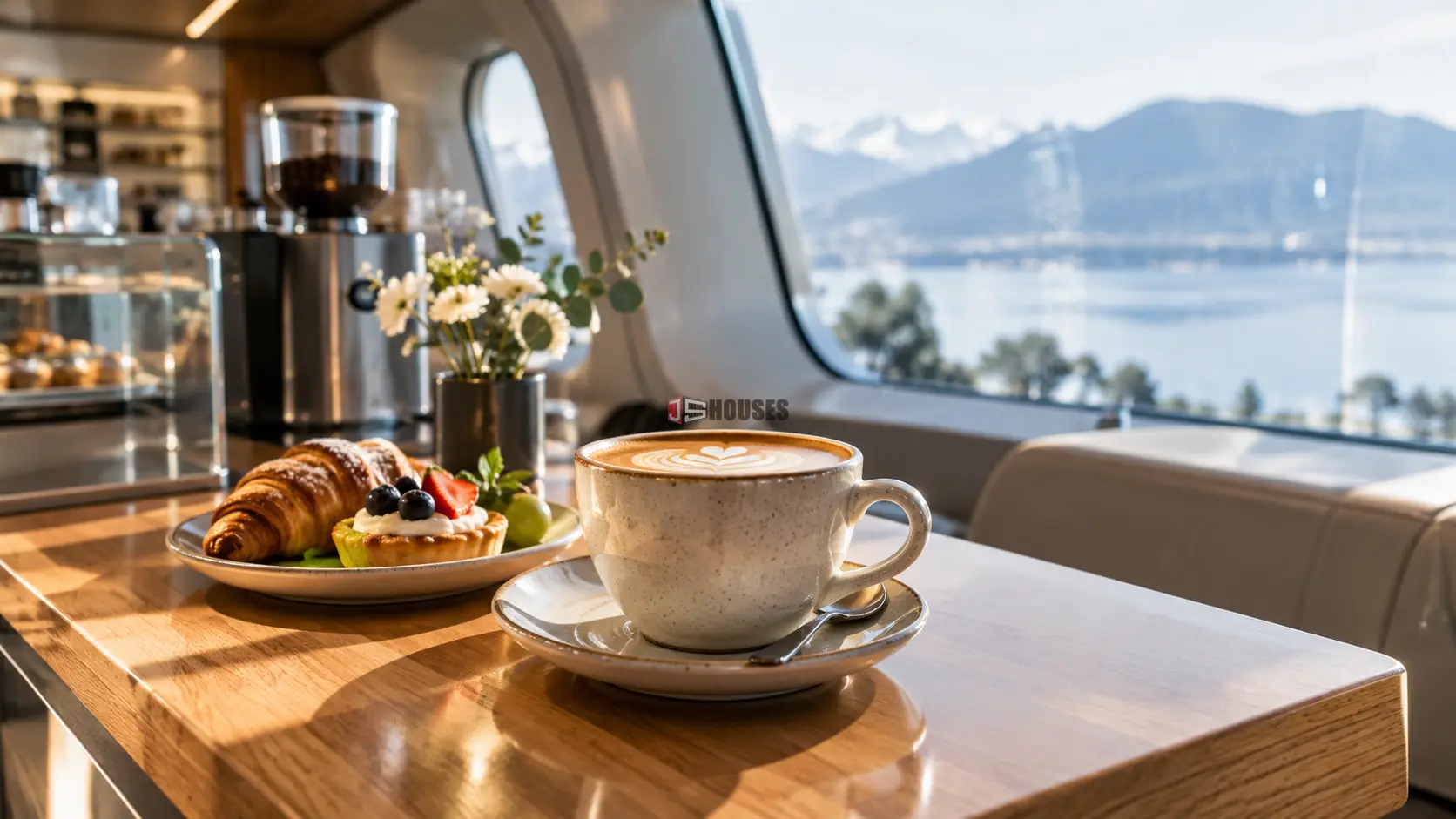
For example, a capsule café might operate as:
Peak Season
Coffee + snacks + takeaway
Shoulder Season
Coffee + desserts + small events
Low Season
Local cafe + private dining + weekend rental
A rental capsule could similarly change its focus throughout the year:
- Summer: Short-term vacation stays
- Autumn: Weekend retreats
- Winter: Longer stays, remote-work accommodation or private bookings
The exact business model depends on the location, local regulations and target customers, but the principle is simple:
The more useful your capsule remains outside peak season, the less dependent your investment becomes on a short annual window.
This is one reason modular buildings can be interesting for small businesses. Their value does not have to come from one fixed commercial function.
4. Location Can Matter More Than the Capsule
A beautiful capsule in the wrong location can still become a difficult business.
When evaluating a site, buyers should look beyond appearance and ask:
Who will visit this location outside the peak season?
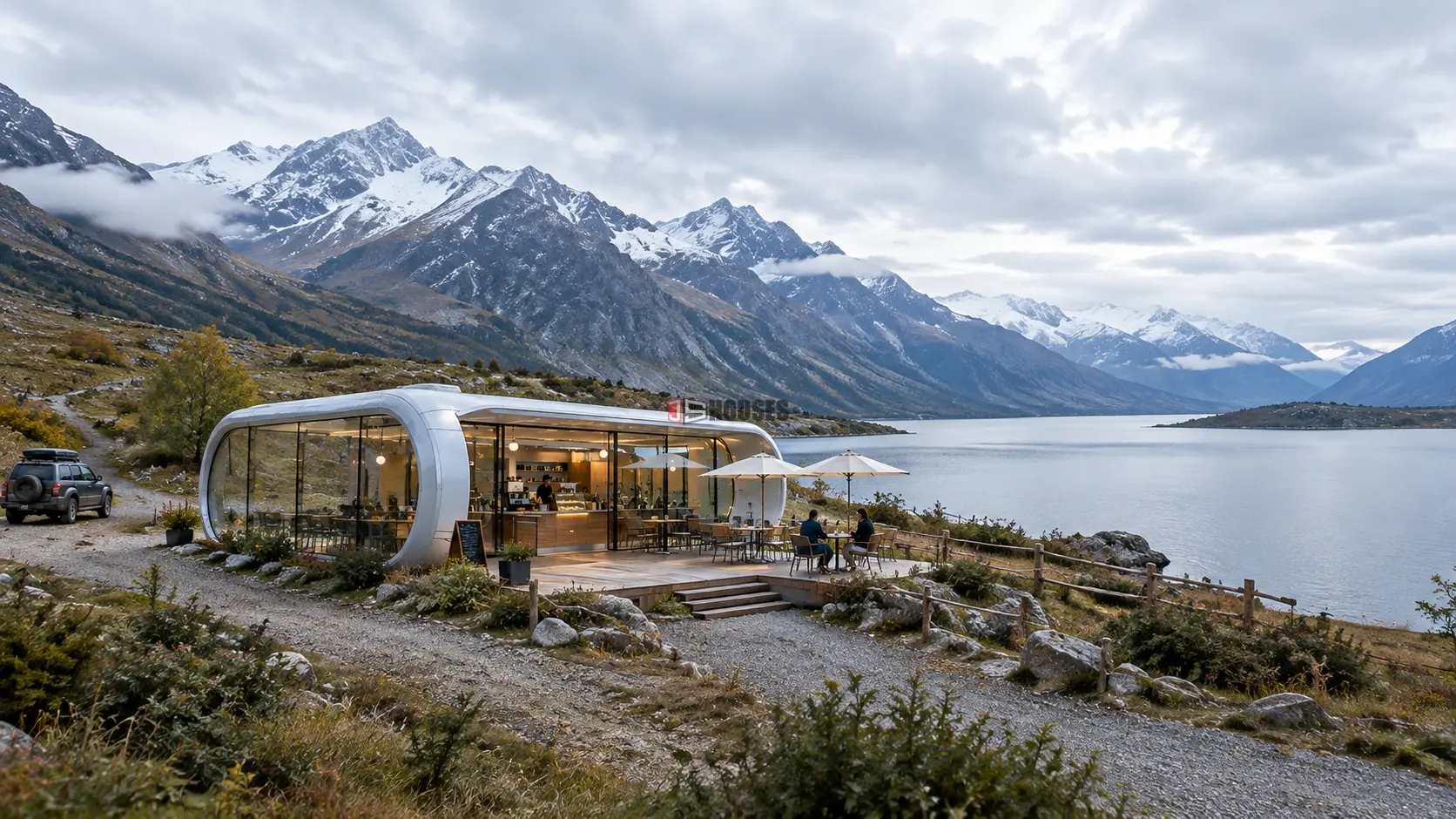
A scenic lakeside location may have excellent summer traffic but very limited winter demand.
By comparison, a location near a residential community, office area, transport hub or year-round attraction may have a stronger customer base throughout the year.
Before ordering a Space Capsule, consider:
- Annual tourist traffic
- Local population
- Seasonal weather
- Road accessibility
- Nearby businesses
- Parking
- Utilities
- Local regulations
- Competition
- Customer spending habits
A location that looks perfect in photographs is not necessarily a location with sustainable commercial demand.
A beautiful location is not always a profitable location.
This is especially important for first-time buyers who are attracted to the visual appeal of Space Capsule businesses.
5. Think About the Smallest Capsule That Can Do the Job
Another mistake is assuming that a larger commercial capsule is automatically a better investment.
For a small café, for example, the actual operational requirements may be relatively simple:
Storage → Preparation → Equipment → Serving Counter → Customer Pickup
If most customers are expected to order takeaway, a large seating area may add cost without creating much additional revenue.
A larger capsule may also increase:
- Initial purchase cost
- Transportation cost
- Installation requirements
- Heating and cooling demand
- Maintenance requirements
Instead of asking:
"How large a capsule can I afford?"
a better question is:
"What is the smallest space that can efficiently support my business?"
For some businesses, a compact capsule may be more financially efficient than a larger model with unused space.
6. Test the Business Before You Buy
Before placing an order, buyers can use a simple seasonal demand test.
Ask yourself five questions:
1. How long is my real peak season?
Is it three months, six months, or most of the year?
2. What happens during the remaining months?
Will customer traffic disappear, decline gradually, or remain stable?
3. Can the capsule serve another purpose?
Can a café become an event space? Can a rental unit support longer stays? Can a small retail space serve local customers during the off-season?
4. What costs continue when revenue falls?
Calculate land, utilities, maintenance, staff and other recurring expenses.
5. If revenue drops by 50%, can the business survive?
This final question is particularly important.
A business model that only works under perfect conditions may be too risky.
A stronger model has enough flexibility to continue operating when demand is lower than expected.
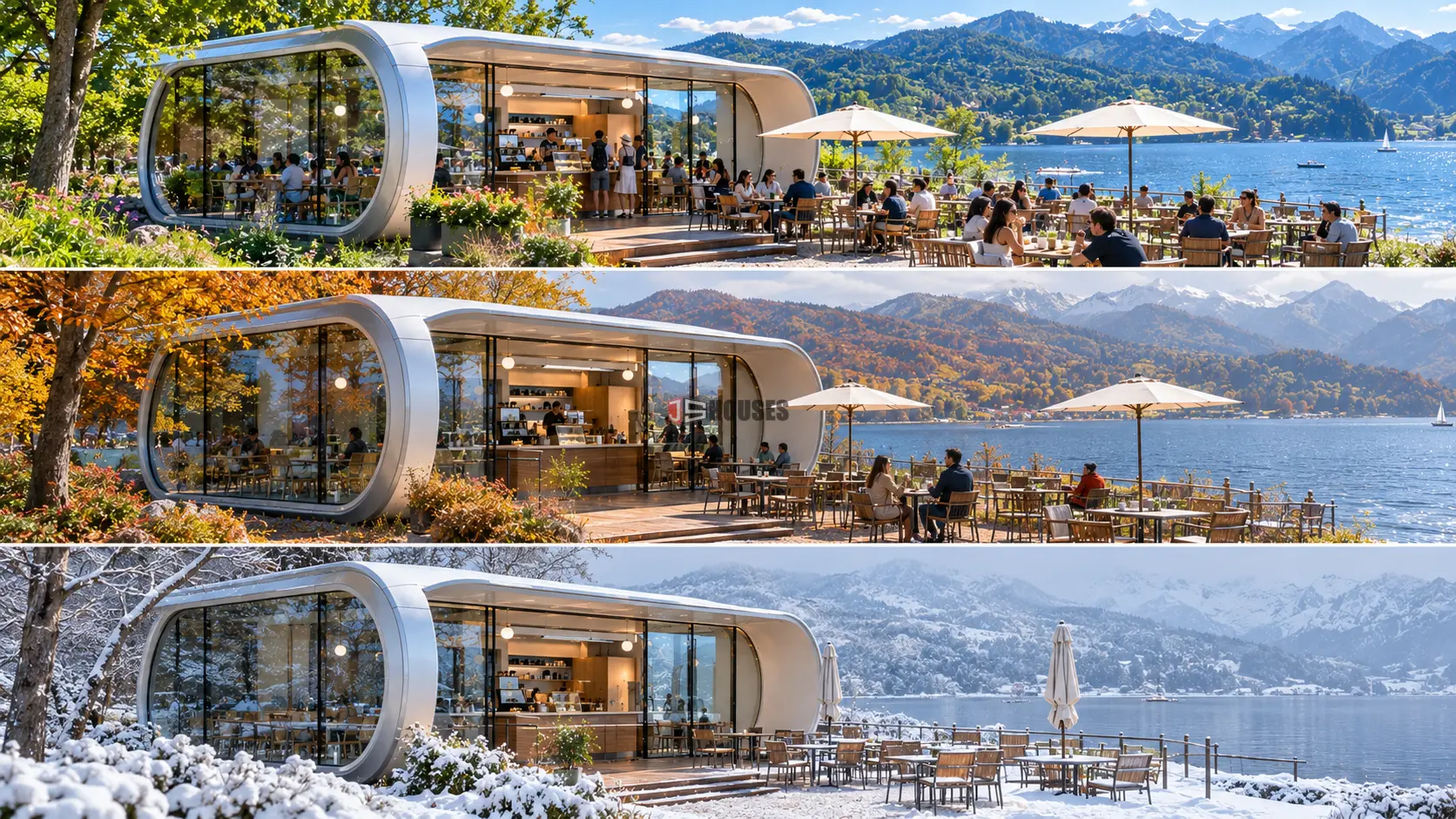
A Simple Example: One Capsule, Two Seasons
Consider a small Space Capsule café in a tourist destination.
During the summer:
80 customers/day × $5 average order = $400/day
At first glance, the numbers may look attractive.
But if the business operates at high demand for only 120 days, the peak-season revenue is approximately:
$400 × 120 = $48,000
The remaining months are where the real question begins.
If the capsule closes completely, revenue becomes zero while some costs continue.
But imagine that during the low season, the owner changes the operating model:
Tourist Café → Local Café + Private Events + Weekend Rental
The daily revenue may be much lower than during summer, but the capsule is no longer completely idle.
This does not guarantee profitability. It simply demonstrates an important business principle:
Reducing idle time can be just as important as increasing peak-season sales.
Don't Just Buy for the Peak Season
A Space Capsule can be an interesting option for cafes, food shops, tourist facilities, rental businesses and other small commercial projects.
But the strongest projects are not necessarily the ones with the highest peak-season revenue.
They are the ones that have a clear plan for the months when demand is lower.
Before buying, think beyond:
"How attractive will this capsule look?"
and:
"How many customers can I get in summer?"
Ask instead:
"How will this space continue to create value throughout the year?"
A small Space Capsule does not need to perform the same function in every season. Its greatest advantage may be its ability to support a business model that can adapt to changing demand.
The real question is not whether a Space Capsule can survive the off-season. It is whether your business model can.
Planning a commercial Space Capsule project? Contact our team →