
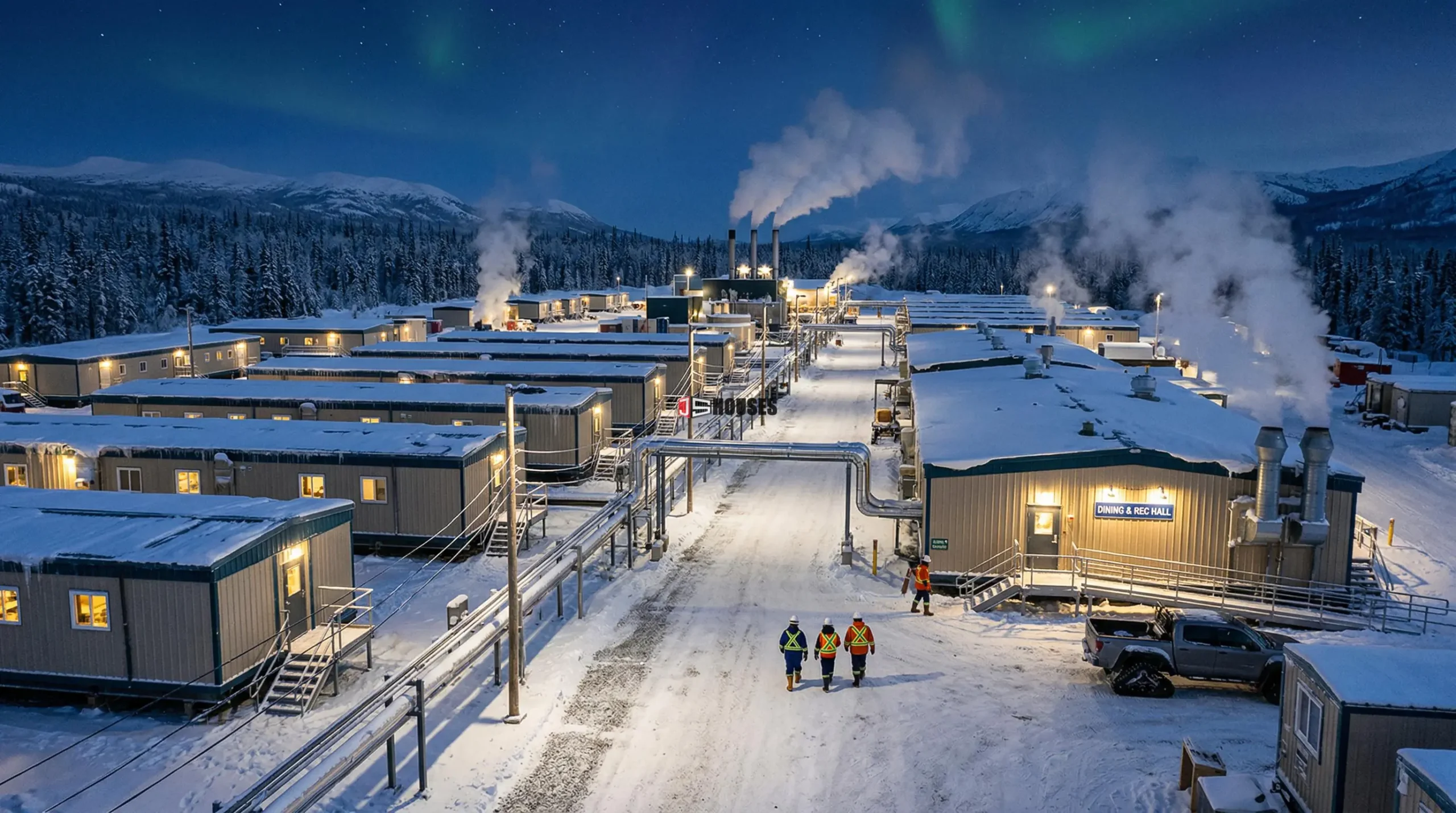
Preparing a Modular Worker Camp for Winter: What Should Be Checked First?
Winter preparation is an important part of managing any construction project, particularly when workers need to live and work in modular accommodation in cold or remote areas. As temperatures drop, even small oversights in installation, heating, plumbing, or routine maintenance can develop into problems that affect daily operations.
For project managers and camp operators, preparing for winter should not begin when the first snowfall arrives. It should start with a systematic inspection of the buildings, utilities, surrounding infrastructure, and installation conditions.
However, not every customer is at the same stage of a project. Some have recently ordered modular buildings and are preparing for transportation and installation. Others already have an operational worker camp and need to ensure that their facilities remain safe and comfortable throughout the colder months.
These two situations require different preparations. This guide covers both, helping project teams identify the details that deserve attention before winter arrives.
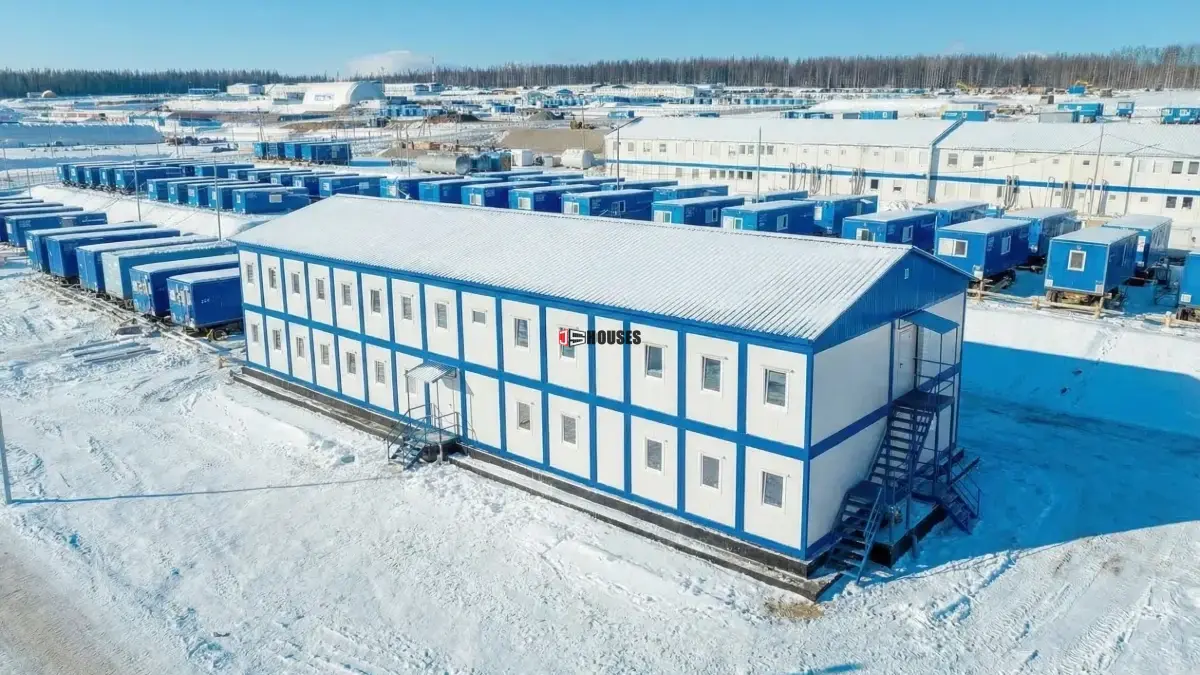
1. Before Installation: What Should New Buyers Prepare?
For customers who have recently purchased modular buildings but have not yet completed installation, winter preparation starts with the construction site itself. Cold weather can affect ground conditions, transportation, installation materials, and the commissioning of utility systems.
Planning these details in advance can help avoid unnecessary delays and additional work.
1.1 Check the Foundation and Ground Conditions
The foundation is one of the first things to consider when preparing for winter installation.
In regions with freezing temperatures, ground conditions can change significantly as the season progresses. Frozen soil, thawing cycles, and poor drainage may affect foundation stability if the site has not been properly prepared.
Before modular units arrive, the project team should check:
- Whether the foundation has been completed according to the approved drawings and project requirements.
- Whether the supporting surfaces are level and suitable for the intended building layout.
- Whether the ground around the building has adequate drainage.
- Whether there are signs of settlement, cracking, or water accumulation.
- Whether the foundation and ground treatment are appropriate for local soil and frost conditions.
It is especially important not to assume that a foundation suitable for summer installation will automatically remain suitable under winter conditions.
Where possible, complete foundation preparation before the ground becomes deeply frozen. If installation must take place during freezing weather, the foundation design and construction method should be reviewed by qualified local professionals.
1.2 Review Transportation and Site Access
Winter transportation is another factor that project managers sometimes underestimate.
A modular building may be ready for delivery, but that does not necessarily mean the site is ready to receive it. Snow, ice, muddy access roads, and reduced visibility can all make transportation and unloading more difficult.
Before arranging delivery, check the following:
- Whether the access road can accommodate the dimensions and weight of the transport vehicle.
- Whether the road surface can support heavy vehicles under winter conditions.
- Whether turning areas and unloading spaces are sufficiently large.
- Whether snow or ice could prevent trucks and cranes from reaching the installation area.
- Whether there is enough space for temporary storage and safe movement of modules.
For remote construction sites, the final section of the delivery route deserves particular attention. Even if the main highway remains accessible, smaller roads leading to the project site may become difficult to use after heavy snowfall.
A realistic delivery schedule should also include some flexibility for weather-related delays. Coordinating transportation, crane availability, and installation personnel in advance can help reduce unnecessary waiting time.
1.3 Pay Attention to Installation Details in Low Temperatures
Installing modular buildings in cold weather is possible, but the installation process may require additional precautions.
Certain construction materials, including sealants, adhesives, coatings, and other joint-treatment products, have specific temperature requirements. Using them outside their recommended application range may affect curing, adhesion, or long-term performance.
The installation team should therefore:
- Check the manufacturer's recommended temperature range for sealants and other installation materials.
- Store materials according to their technical instructions before use.
- Inspect connections between modules and ensure that fasteners are installed correctly.
- Pay particular attention to roof joints, wall connections, window frames, and external sealing points.
- Check that doors and windows close properly and that sealing components are not damaged during installation.
Module-to-module connections deserve special attention. Even when individual modules are manufactured under controlled factory conditions, the final building still depends on correct on-site assembly.
A small gap or poorly treated joint may become a noticeable source of air leakage once indoor heating is operating and the outdoor temperature drops.
After installation, a detailed inspection of the building envelope should be completed before the accommodation is occupied.
1.4 Complete Utility Installation and Commissioning Before Occupancy
Heating, water supply, drainage, and electrical systems should be treated as part of the winter preparation process rather than as final details to be handled after the building is assembled.
For example, an electric heating system may require sufficient electrical capacity, while exposed water pipes may need additional insulation or frost-protection measures.
Before occupancy, the project team should confirm:
Heating System
- Whether the selected heating equipment is suitable for the expected local winter conditions.
- Whether the electrical supply or fuel system can support the heating load.
- Whether the system has been installed and tested according to its technical requirements.
- Whether controls, valves, connections, and safety devices operate correctly.
Water Supply and Drainage
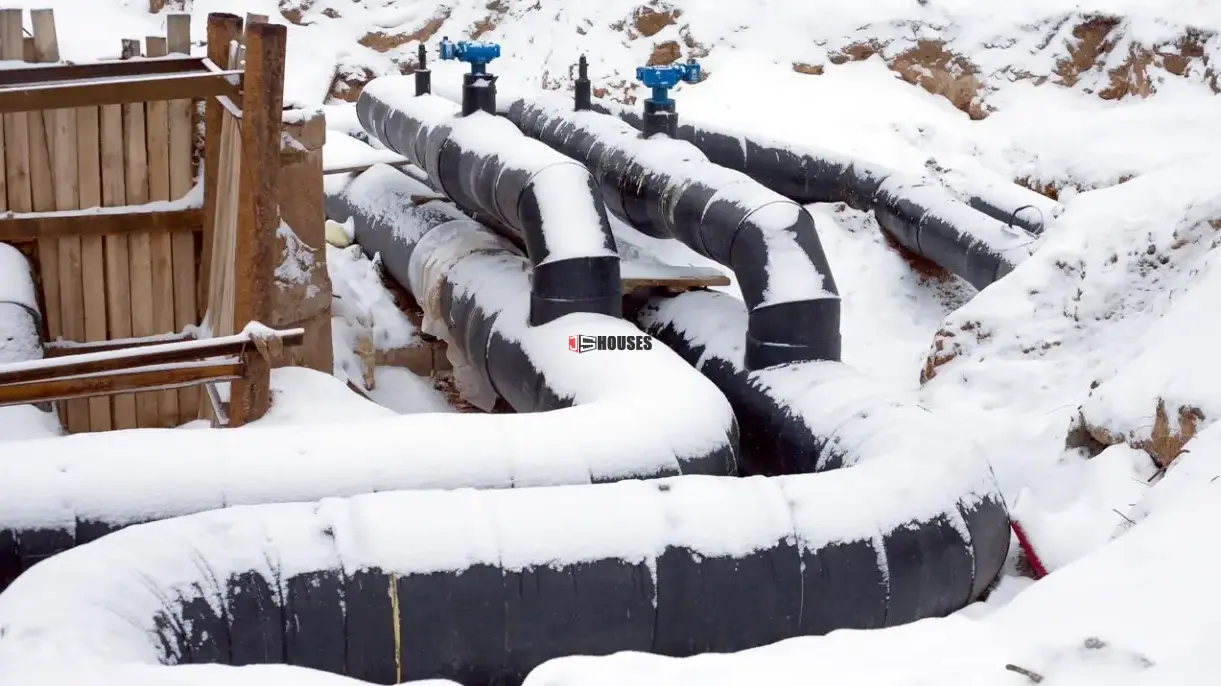
- Whether exposed pipes, valves, and fittings have appropriate frost protection.
- Whether outdoor pipelines are routed and protected according to the local climate.
- Whether drainage systems allow water to flow and discharge properly.
- Whether water tanks, pumps, and other outdoor equipment have suitable winter protection.
Electrical System
- Whether the power supply can support heating equipment and other expected electrical loads.
- Whether electrical connections and protective devices have been inspected.
- Whether outdoor electrical equipment is suitable for the installation environment.
The objective is straightforward: the building should be ready for normal winter operation before workers move in. Discovering problems during the first cold spell is far more disruptive than identifying them during commissioning.
2. After Installation: Winter Maintenance for Existing Modular Camps
For customers whose modular buildings are already installed and in use, winter preparation is less about construction and more about inspection, maintenance, and operational management.
A modular camp may have performed well during warmer months, but changing weather conditions can reveal weaknesses that were not obvious before. The following areas deserve particular attention.
2.1 Inspect Insulation, Doors, Windows, and Air Leakage
When indoor temperatures begin to fall, the first reaction is often to assume that the building needs more heating or that its insulation performance is insufficient.
However, not every heating problem is caused by the insulation material inside the wall or roof panels. Air leakage around doors, windows, joints, and connections between modules can also contribute to heat loss.
Before winter, inspect:
- Door and window frames for damaged or aging seals.
- Whether doors and windows close tightly without obvious gaps.
- Connections between wall panels and roof panels.
- External joints between adjacent modules.
- Areas around utility penetrations and other openings.
- Internal corners where cold surfaces or condensation may appear.
Pay attention to rooms that are consistently colder than others. If one area loses heat much faster than the rest of the building, check its windows, external connections, and heating distribution before assuming that the entire insulation system is inadequate.
Condensation is another useful warning sign. Moisture appearing around windows, wall corners, or behind furniture may indicate a combination of cold surfaces, insufficient ventilation, and high indoor humidity.
Identifying the cause early can help prevent more serious moisture-related problems.
2.2 Test the Heating System Before the Coldest Weather Arrives
Heating equipment should not be inspected for the first time when the temperature has already dropped significantly.
Whether a camp uses electric heaters, boilers, radiators, or another heating solution, the system should be tested before the beginning of the heating season.
The inspection should cover:
- Whether heating equipment starts and operates normally.
- Whether temperature controls and thermostats respond correctly.
- Whether radiators or other heat distribution equipment provide consistent heating.
- Whether pipes, valves, and connections show signs of leakage.
- Whether filters and other serviceable components require cleaning or replacement.
- Whether the equipment has sufficient ventilation and maintenance clearance, where required.
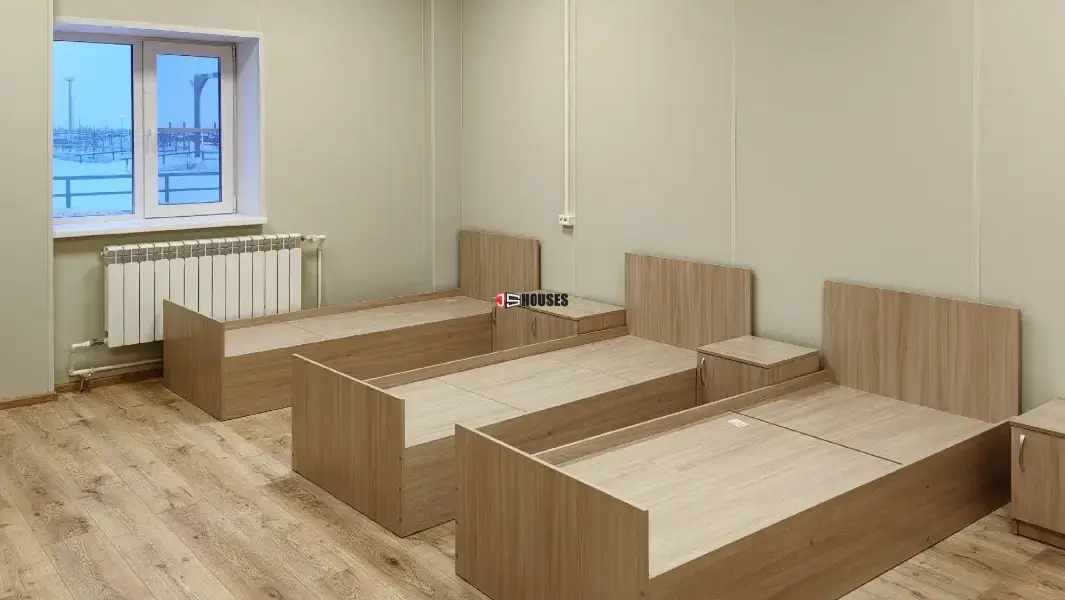
For buildings with multiple rooms or separate heating zones, check whether heat is distributed evenly. A system may be operating normally while certain rooms remain uncomfortable because of poor circulation, incorrect settings, or blocked heat distribution.
It is also useful to conduct a trial run before the coldest period. This gives the maintenance team time to identify faults, arrange repairs, and confirm that the heating system is ready for continuous operation.
Always follow the equipment manufacturer's operating and maintenance instructions. Heating systems involving combustion equipment or other specialized installations should be inspected by qualified technicians.
2.3 Protect Water Supply and Drainage Pipes from Freezing
Frozen water pipes are among the most disruptive winter problems in worker accommodation.
When water inside a pipe freezes, it expands. This can cause cracks, damaged fittings, and leaks that may only become visible after the ice begins to thaw.
Pipes located outdoors, in unheated spaces, near external walls, or in exposed service areas are particularly worth checking.
Before winter, inspect:
- Exposed water supply pipes and their insulation.
- Pipe joints, elbows, valves, and connection points.
- Water supply lines leading to outdoor facilities.
- Water tanks, pumps, and associated equipment.
- Drainage pipes and discharge points.
- Areas where cold air may enter around pipe penetrations.
Pipe insulation should be continuous and properly fitted, especially around joints and valves. A short unprotected section can still become a weak point in an otherwise insulated pipeline.
Drainage also deserves attention. Check whether pipes have the required slope and whether water can discharge without obstruction. Standing water in vulnerable sections may increase the risk of freezing.
For buildings or facilities that will not be used during part of the winter, water systems may require a specific shutdown or draining procedure. This should be determined according to the system design and carried out under professional guidance rather than by simply opening a few taps or disconnecting equipment.
2.4 Inspect the Roof, Waterproofing, and Drainage System
The roof is exposed to several winter-related stresses, including low temperatures, snow, ice, and repeated freezing and thawing.
Before snowfall, inspect the roof and external drainage system for signs of damage or blockage.
Key points include:
- Whether roof panels and waterproofing layers show visible damage.
- Whether roof joints and connections remain properly sealed.
- Whether gutters, downpipes, and drainage outlets are clear.
- Whether water can drain away from the building without accumulating.
- Whether there are signs of previous leakage or moisture intrusion.
Snow accumulation also needs to be considered. The allowable snow load depends on the building's structural design and the applicable local requirements. Project teams should confirm the relevant design information rather than relying on a general rule based only on snow depth.
If snow removal is necessary, follow the building's structural requirements and an appropriate safe-work procedure. Unplanned or uneven snow removal can create additional risks, particularly when workers access roofs in icy conditions.
Regular roof inspections after significant snowfall or severe weather can help identify problems before they affect the interior of the building.
2.5 Maintain Ventilation and Control Indoor Humidity
One common winter mistake is to close every ventilation opening in an attempt to retain as much heat as possible.
Although reducing uncontrolled air leakage is important, completely eliminating fresh air exchange can create other problems. In worker dormitories, kitchens, bathrooms, and shared facilities, moisture and indoor pollutants can accumulate quickly when ventilation is insufficient.
A practical winter ventilation strategy should balance heat retention with indoor air quality.
Maintenance teams should check:
- Whether fresh-air inlets and exhaust outlets are unobstructed.
- Whether mechanical ventilation equipment operates normally.
- Whether bathroom and kitchen exhaust systems are functioning.
- Whether windows or other designated ventilation openings can be operated safely.
- Whether condensation is appearing on windows, ceilings, or wall corners.
Where mechanical ventilation is installed, follow its operating instructions and maintenance schedule. Avoid blocking ventilation openings simply because outdoor temperatures are low.
It is also important to manage moisture generated by daily activities. Cooking, showering, drying clothes, and the presence of multiple occupants can all increase indoor humidity.
Good insulation, appropriate heating, and controlled ventilation should work together. None of these measures can fully replace the others.
3. A Practical Winter Inspection Checklist
A simple inspection schedule can make winter preparation easier for camp managers and maintenance teams. Rather than waiting for a problem to appear, assign responsibility for checking key areas before temperatures fall.
| Inspection Area | What to Check | Recommended Timing |
|---|---|---|
| Doors and windows | Seals, closing mechanisms, visible gaps, damaged frames | Before temperatures drop |
| Walls and module joints | External sealing, air leakage, condensation, visible damage | Before winter and during operation |
| Heating system | Startup, controls, heat distribution, pipes, valves, equipment condition | Test before the heating season |
| Water supply | Exposed pipes, insulation, valves, joints, tanks, pumps | Before freezing conditions |
| Drainage system | Pipe slope, blocked outlets, water accumulation, discharge points | Before winter and periodically |
| Roof and gutters | Waterproofing, roof joints, drainage outlets, visible damage | Before snowfall and after severe weather |
| Ventilation | Fresh-air inlets, exhaust systems, indoor humidity, condensation | Before winter and during occupancy |
| Outdoor areas | Access roads, steps, lighting, drainage, snow and ice risks | Before winter and after snowfall |
For larger camps, it is useful to record inspection results, maintenance dates, and any corrective actions. This creates a basic maintenance history and helps the team identify recurring problems.
A checklist does not replace professional inspection, but it provides a practical starting point for routine winter management.
4. Common Winter Preparation Mistakes That Can Be Avoided
Even well-planned modular camps can experience winter problems when small maintenance tasks are overlooked. The following mistakes are particularly common.
Waiting Until the First Cold Spell to Test the Heating System
A heater that has not been used for several months may have operational problems. Test the system before temperatures fall and leave enough time for repairs or replacement parts.
Ignoring Exposed Water Pipes
Pipes near external walls, outdoor service areas, or unheated spaces can freeze even when the main building remains warm. Inspect the entire water system, not only the sections inside occupied rooms.
Closing All Ventilation Openings
Reducing heat loss should not come at the expense of indoor air quality. Maintain the designed ventilation system and control indoor moisture appropriately.
Assuming the Roof Only Needs Attention After a Leak Appears
Small problems in roof joints or drainage outlets may become more serious under snow and ice conditions. Inspect the roof and drainage system before winter rather than waiting for water to enter the building.
Treating Winter Installation as a Normal Delivery and Assembly Task
Cold weather can affect road access, unloading, installation materials, and site work. Transportation and installation schedules should account for local weather and ground conditions.
Most of these problems are easier and less expensive to address before winter than during an emergency.
Prepare Before the Temperature Drops
Winter preparation is not a single inspection task. It is a process that begins during project planning and continues throughout the service life of a modular worker camp.
For customers preparing to install new buildings, the priorities are foundation readiness, transportation planning, cold-weather installation requirements, and utility commissioning.
For customers already operating a camp, attention should shift to insulation and air leakage, heating equipment, water and drainage pipes, roof conditions, and indoor ventilation.
Taking time to check these details before the coldest weather arrives can reduce unexpected maintenance work, protect building systems, and help maintain more reliable living conditions for workers.
At JS-Houses, we believe that supporting a modular building project should extend beyond manufacturing and delivery. Understanding how buildings are installed, operated, and maintained in different climates is an important part of helping customers get lasting value from their investment.
If your project is preparing for winter, reviewing these points with your installation or maintenance team is a practical place to start.
Frequently Asked Questions
1. Can modular buildings be installed during winter?
Yes, modular buildings can be installed in cold weather, provided that site conditions, foundation preparation, transportation, and installation procedures are properly planned. Certain materials, such as sealants and adhesives, have specific temperature requirements, so the installation team should follow the relevant technical instructions.
2. What should be checked first before a modular worker camp enters winter?
Start with the systems that can most directly affect daily operation: heating equipment, exposed water pipes, doors and windows, roof drainage, and ventilation. For buildings that have not yet been installed, foundation conditions and site access should also be reviewed.
3. How can water pipes in modular buildings be protected from freezing?
Exposed pipes, valves, joints, and outdoor water supply lines should be inspected and protected with suitable insulation or other frost-protection measures based on local conditions. For unused buildings, any water-system shutdown or draining procedure should follow the system design and professional guidance.
4. Should ventilation be reduced during winter to keep rooms warm?
Uncontrolled air leakage should be addressed, but ventilation should not be completely eliminated. Proper fresh-air supply and exhaust are necessary to manage indoor humidity, condensation, and air quality, especially in shared accommodation.
5. How often should a modular worker camp be inspected during winter?
A comprehensive inspection should be completed before the winter season. Additional checks should be carried out periodically during operation and after significant snowfall, severe weather, or any unusual change in building performance. The inspection frequency should reflect local climate conditions and the camp's operating requirements.