
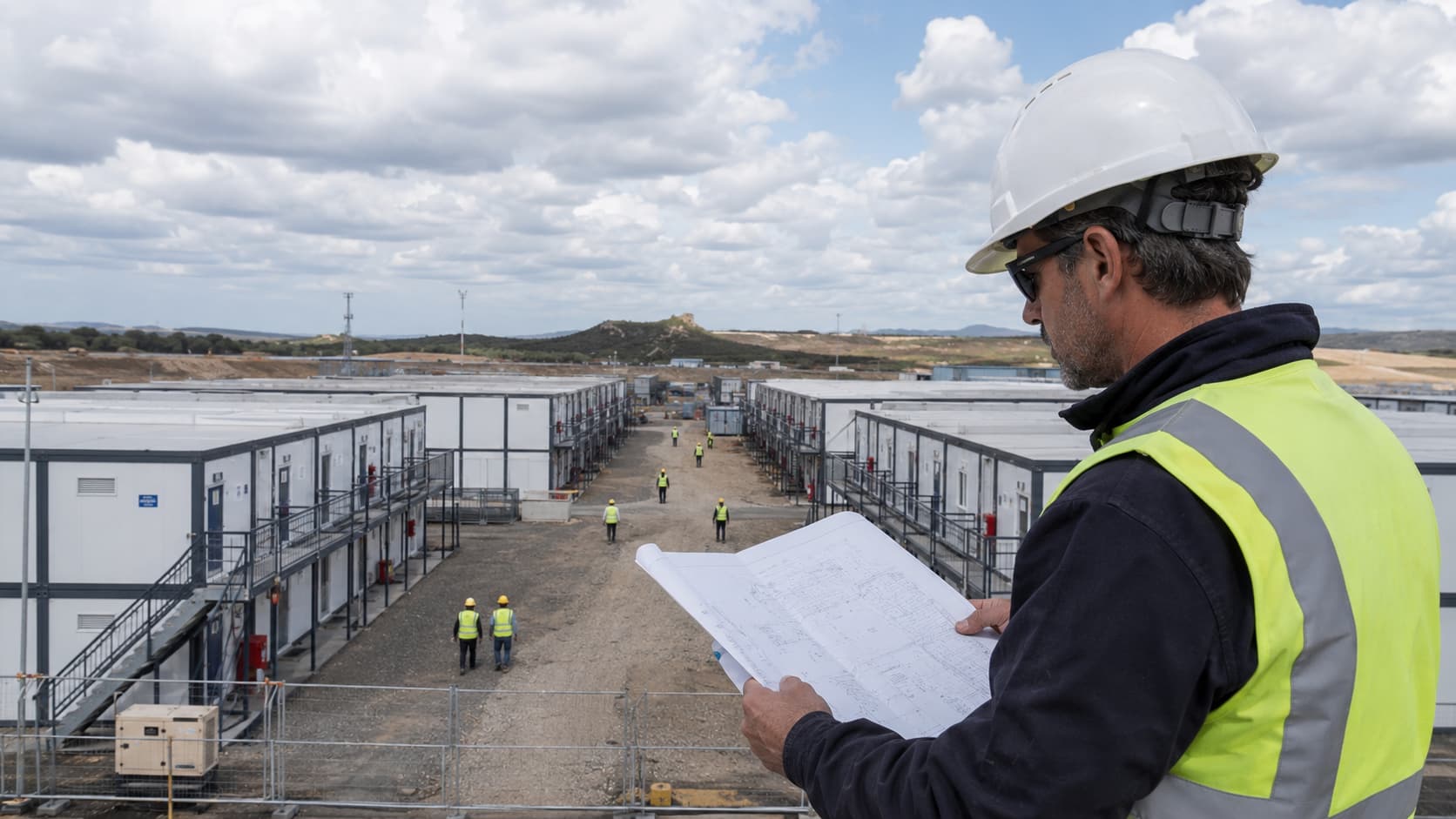
Cheap Worker Accommodation Often Becomes Expensive Later: Why Lifecycle Cost Matters
Cheap Worker Accommodation Often Becomes Expensive Later: The Costs Many Buyers Don't See
When planning a new construction project, one of the first tasks is arranging accommodation for the workforce. Whether the project lasts six months or several years, worker housing is an unavoidable part of the budget.
For many first-time project managers or procurement teams with limited experience, reducing accommodation costs often becomes an immediate priority. They compare quotations, calculate the lowest unit price, and naturally assume that spending less at the beginning means saving money overall.
On paper, that decision makes perfect sense.
In reality, however, the purchase price is only one part of the total cost.
Many experienced contractors eventually discover the same lesson:
The cheapest worker accommodation often becomes the most expensive option over the life of the project.
The real expense reveals itself over time — through maintenance, energy, downtime, and replacement.
Looking Beyond the Price Tag
Imagine two suppliers offering similar-looking prefab worker dormitories.
Supplier A offers a lower quotation.
Supplier B costs slightly more.
For an inexperienced buyer, the choice seems obvious.
But experienced procurement managers rarely stop at the first page of a quotation.
Instead, they begin asking different questions:
- How long will the buildings last?
- How often will repairs be needed?
- How well are they insulated during winter?
- Can they be relocated to another project?
- Will they still have value after this project ends?
These questions reveal something far more important than the initial purchase price—they determine the total lifecycle cost of the accommodation.
Whether you're investing in modular homes housing, prefab homes, or a complete modular worker camp, long-term value matters far more than short-term savings.
Hidden Costs That Usually Appear Later
A lower purchase price does not automatically mean poor quality.
Likewise, a higher price does not guarantee better performance.
However, products built around the lowest possible manufacturing cost often introduce expenses that only become visible months—or even years—later.
1. More Frequent Maintenance
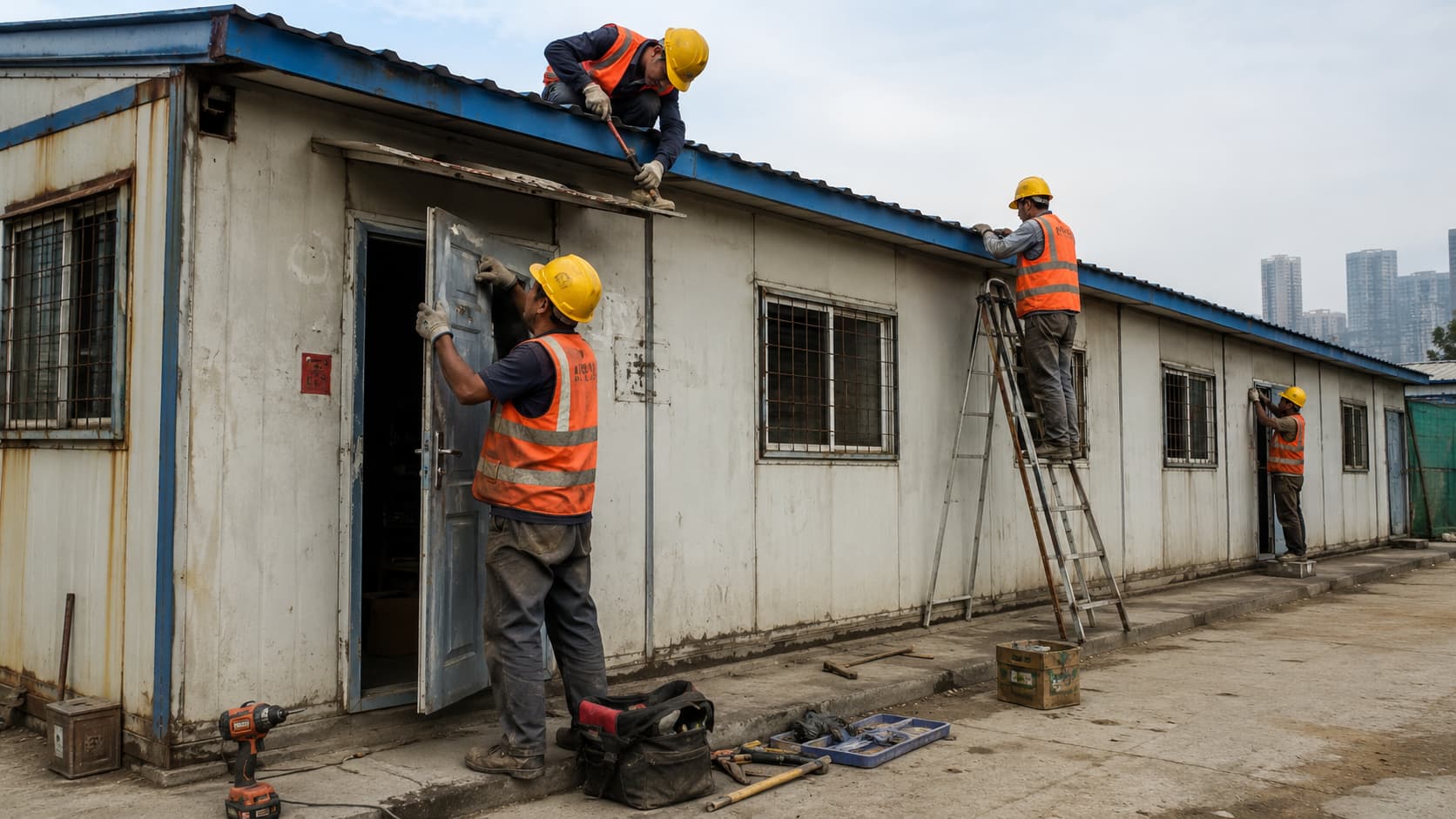
Doors begin to loosen. Window seals wear out. Roof joints require additional waterproofing. Locks and hardware need replacement.
None of these repairs are individually expensive, but together they consume maintenance budgets, management time, and worker productivity.
For remote construction sites, even a small repair can become surprisingly costly when transportation and labor are involved.
2. Poor Thermal Performance
Many construction projects operate in regions where temperatures fluctuate dramatically between seasons.
If a prefab house or modular dormitory lacks proper insulation, the hidden costs appear quickly.
Workers rely more heavily on heating during winter and cooling during summer. Energy bills increase. More importantly, worker comfort decreases.
A well-insulated modern modular home doesn't simply improve comfort—it helps control operational costs throughout the project.
3. Unexpected Downtime
Accommodation is often overlooked as part of project productivity.
But when dormitories require repairs, sections may become temporarily unavailable. Maintenance teams must interrupt their work. Workers may need to relocate between buildings. Project logistics become more complicated.
None of these issues appear on the supplier's quotation—but they certainly appear in the project's operating costs.
4. Shorter Service Life
Temporary buildings are rarely as temporary as people expect.
Many projects become extensions. New contracts appear. Equipment is transferred. Worker camps remain in use much longer than originally planned.
A prefab home that performs well for eight or ten years can ultimately cost far less than a cheaper alternative requiring replacement halfway through its expected life.
* Lifecycle costs accumulate over time. The cheapest purchase often leads to the highest total expense.
High Value Doesn't Mean Buying the Most Expensive Option
At this point, it might sound like the solution is simply buying the most expensive accommodation available.
In reality, experienced buyers rarely make decisions that way.
They aren't looking for luxury.
They are looking for value.
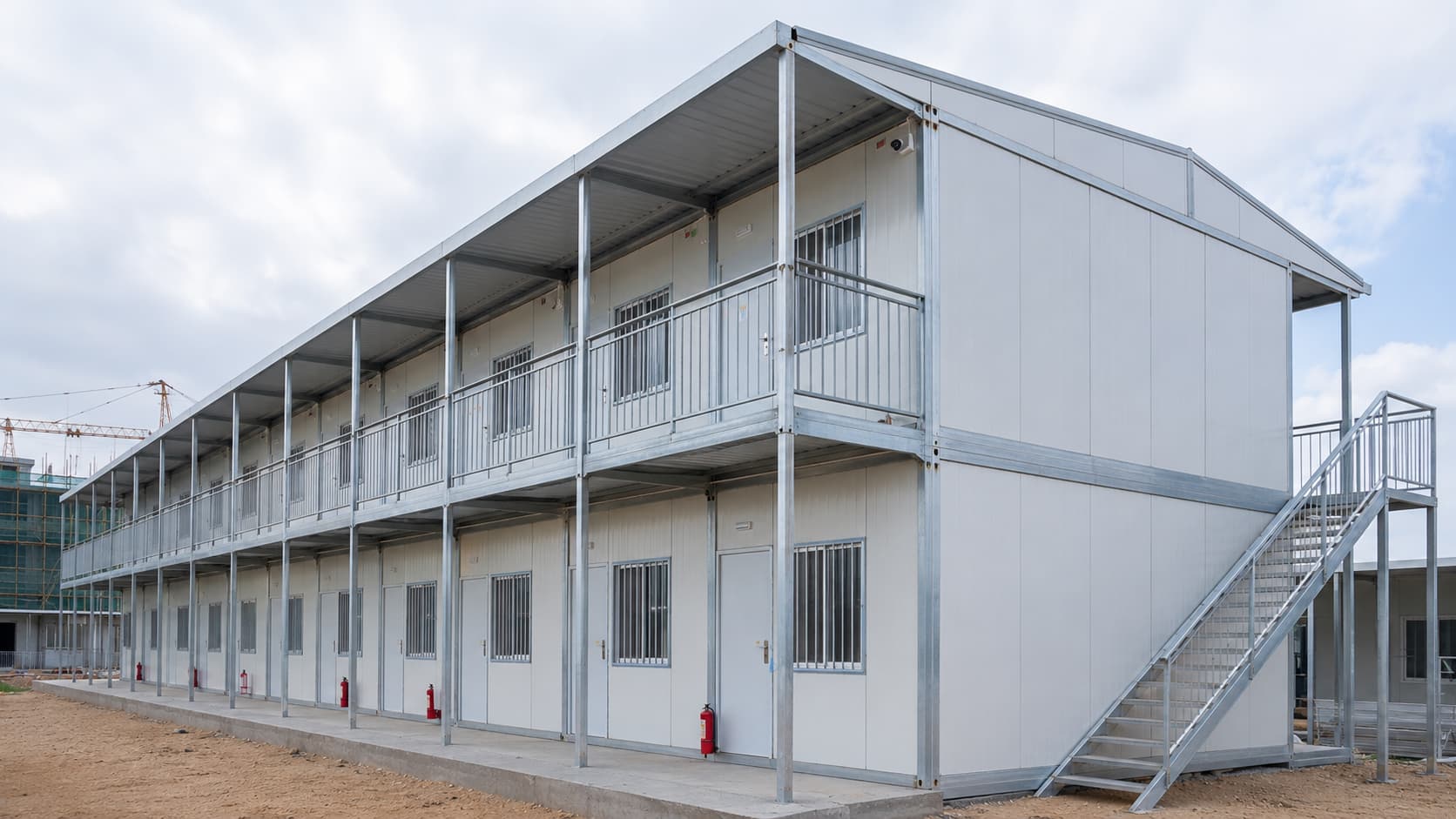
The ideal prefab worker accommodation strikes a balance between purchase cost, durability, thermal performance, maintenance requirements, and long-term usability.
Rather than paying for unnecessary features, successful procurement teams focus on practical performance.
They understand that a durable prefab house, foldable house, or modular home should perform reliably throughout the project—not simply look impressive on delivery day.
Quality Is Also Part of Cost Control
Many people think quality only affects comfort.
In reality, quality directly affects project costs.
A stronger galvanized steel frame helps resist corrosion. Better insulation reduces heating and cooling expenses. Reliable waterproof systems minimize future repairs. Higher-quality doors, windows, and structural connections reduce maintenance throughout the building's service life.
These improvements are not designed to make accommodation more luxurious.
They are designed to reduce interruptions, extend building lifespan, and improve operational efficiency.
Modern prefab houses, modern prefab homes, and modular homes that are engineered for demanding construction environments often deliver better overall value—not because they cost the least, but because they continue performing reliably year after year.
Initial Cost
Lowest upfront price often hides future expenses. Smart buyers look beyond the quotation.
Maintenance Cost
Quality materials reduce repairs. Durable construction means fewer interruptions over time.
Lifespan
Well-engineered modular homes last 10+ years. Cheaper alternatives often fail within 5 years.
Energy Efficiency
Superior insulation cuts heating/cooling costs dramatically over the project lifespan.
The Building Still Has Value After the Project Ends
Perhaps the most overlooked cost is also the final one.
Many buyers calculate the purchase price.
Some calculate maintenance.
Very few calculate what happens after the project finishes.
A well-designed modular home doesn't simply disappear once construction is complete.
Instead, it can often be:
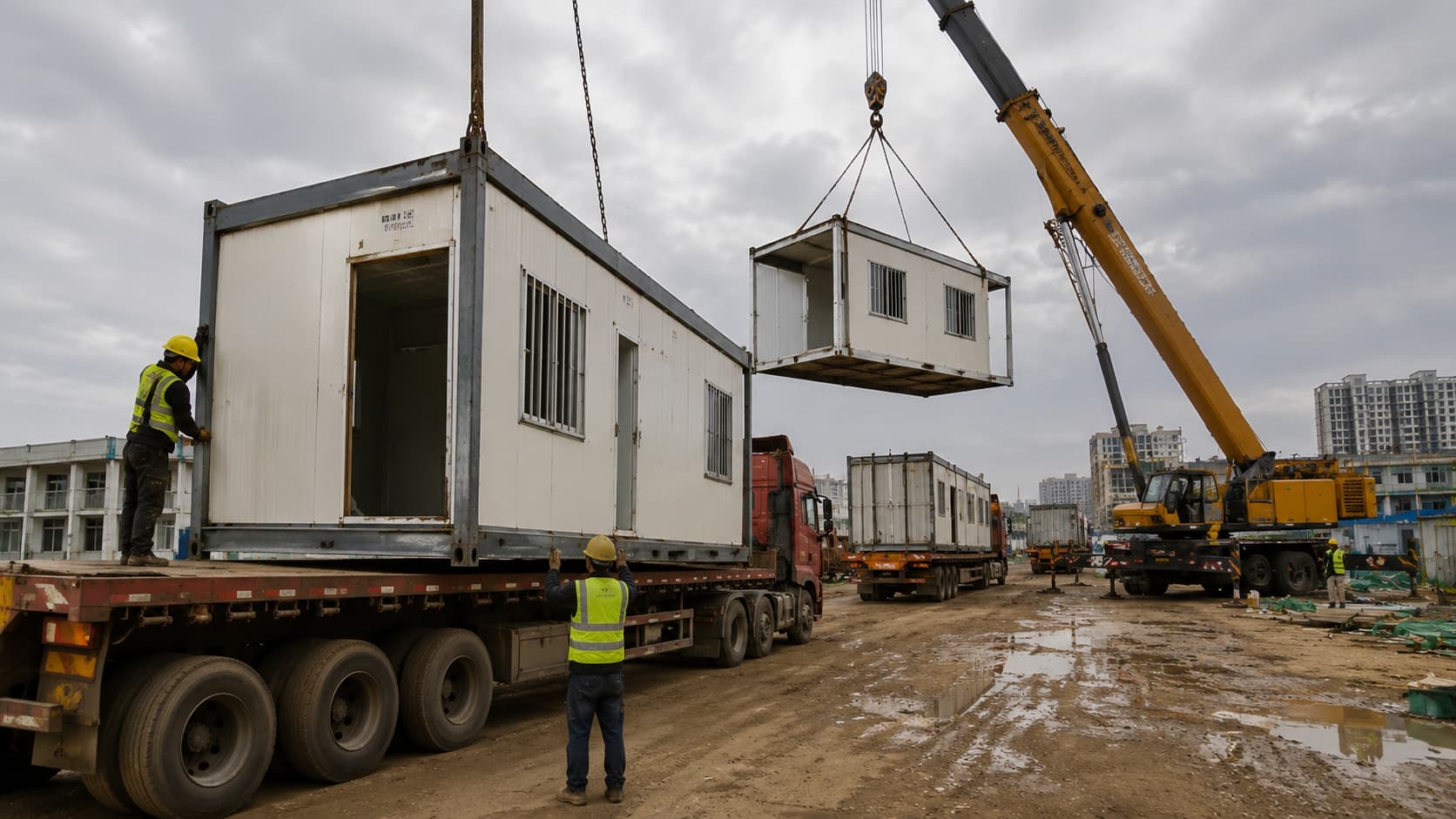
- Disassembled
- Transported
- Reinstalled on another project
- Expanded into a new worker camp
- Converted into offices or temporary housing
- Sold as second-hand modular accommodation
This remaining value—often called residual value—changes the economics of the original purchase.
Instead of becoming a sunk cost, the accommodation continues generating value long after the first project has ended.
That is one of the biggest advantages of modern prefab home kits, foldable homes, and modular construction systems designed for repeated use.
* A well-designed modular building continues creating value long after the original project is complete.
Smart Procurement Is About the Entire Lifecycle
The most experienced procurement teams rarely ask,
"Which supplier is the cheapest?"
Instead, they ask,
"Which solution will cost us the least over the next ten years?"
That simple change in perspective often leads to very different purchasing decisions.
When evaluating prefab homes, modular worker dormitories, or complete prefabricated worker camps, the initial quotation should never be the only number that matters.
Durability. Maintenance. Thermal performance. Transportation. Reusability. Residual value.
These factors determine the real cost of worker accommodation.
Because in the end, the best investment is not necessarily the building with the lowest purchase price.
It is the one that continues creating value long after the invoice has been paid.