
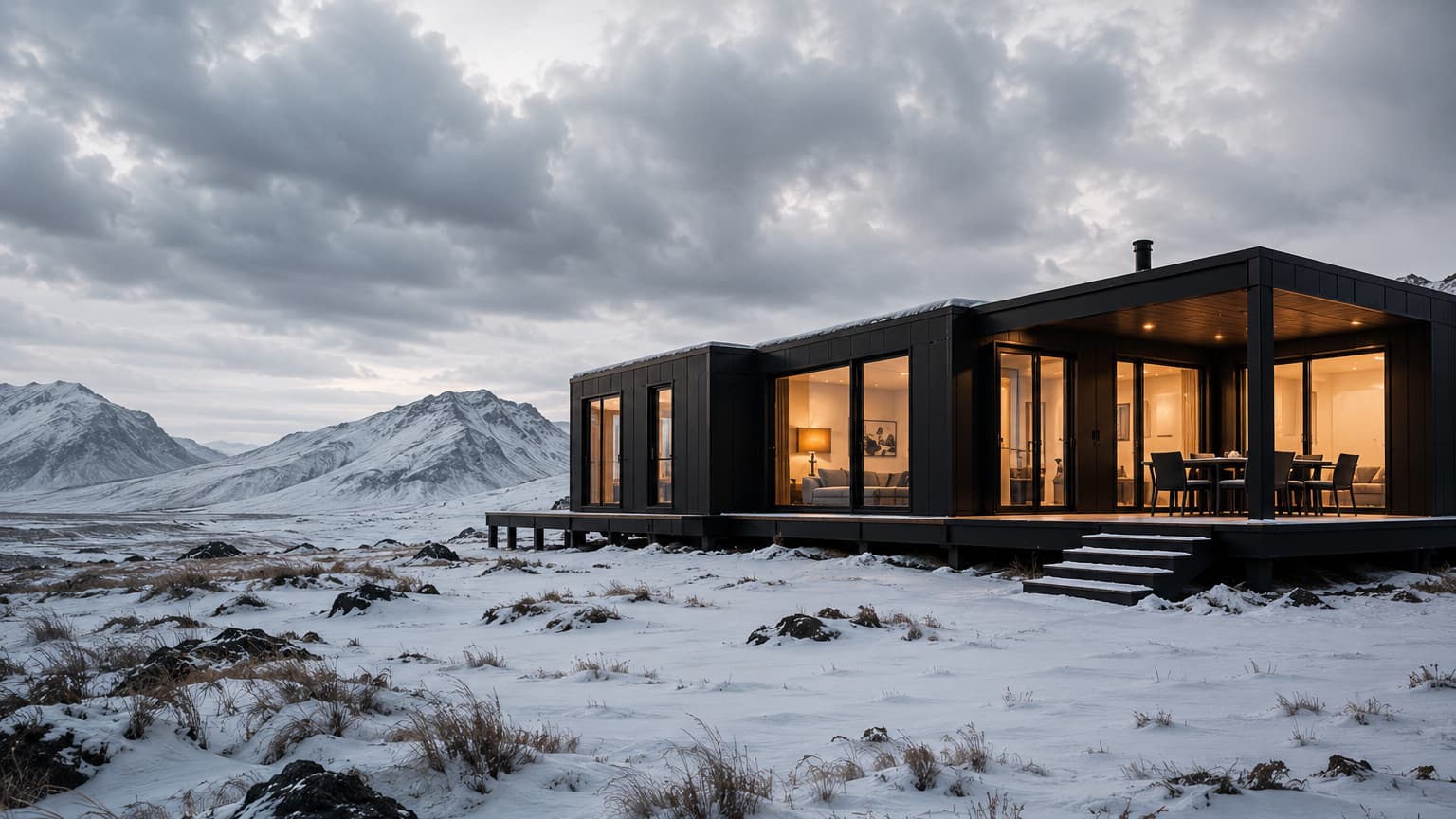
What Makes Prefabricated Homes Suitable for Harsh Weather?
Can Prefab Homes Withstand Harsh Weather? What Buyers Should Know
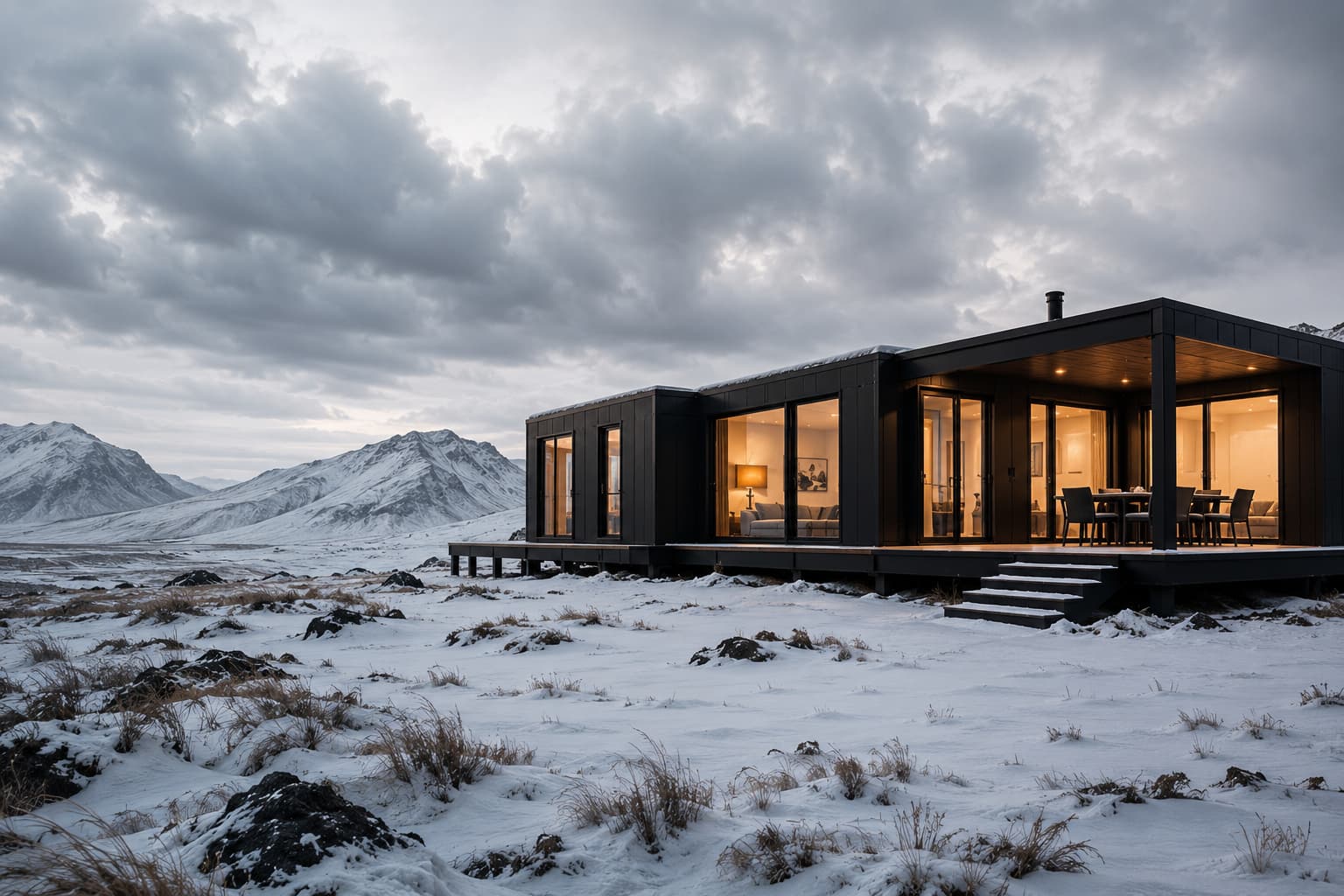
Extreme weather conditions place unique demands on buildings. Strong winds, heavy snowfall, large temperature fluctuations, and remote project locations can all affect the safety, comfort, and lifespan of a structure.
In many parts of the world, especially regions characterized by cold winters, dry climates, and significant seasonal temperature differences, traditional construction methods can be costly and time-consuming. This has led many developers, contractors, and project managers to explore alternative housing solutions.
Today, modern modular homes, prefab homes, and prefab houses are increasingly used for worker accommodation, remote workforce housing, mining camps, tourism facilities, and temporary project bases. Thanks to advances in structural engineering and factory-controlled manufacturing, these buildings are capable of delivering reliable performance even in demanding environments.
The Main Challenges Buildings Face in Harsh Weather Conditions
Not all buildings are designed to operate under the same environmental pressures. In remote and climate-sensitive areas, structures must be prepared to withstand a combination of weather-related challenges throughout the year.
Strong Winds and Wind Load Requirements
High winds create continuous pressure on walls, roofs, and connection points. Over time, inadequate structural systems may experience deformation, leakage, or even partial failure. For buildings installed in open plains, construction sites, mining regions, or other exposed locations, wind load performance becomes one of the most important engineering considerations. Modern modular home systems are often designed according to specific wind load requirements to ensure structural stability under challenging conditions.
Heavy Snow and Roof Load Capacity
Snow accumulation may appear harmless, but it can place significant weight on roofing systems. Without proper engineering, excessive snow loads may result in roof deflection, water penetration, or long-term structural fatigue. Many high-quality prefab houses are engineered with reinforced roof systems capable of meeting local snow load standards.
Extreme Temperature Fluctuations
Certain regions experience hot summers and freezing winters, creating large annual temperature differences. This repeated cycle of expansion and contraction can affect building materials over time if the structure lacks sufficient insulation and weather protection. Energy efficiency also becomes increasingly important when heating and cooling costs rise.
Dust, Dry Air, and Environmental Exposure
Remote environments often expose buildings to dust storms, dry winds, and airborne particles. Without effective sealing systems, dust infiltration can negatively impact indoor comfort and increase maintenance requirements.
| Weather Challenge | Potential Impact on Buildings | Required Housing Feature |
|---|---|---|
| Strong Winds | Roof damage, structural stress | Reinforced steel frame |
| Heavy Snow | Excessive roof load | Engineered roof structure |
| Extreme Cold | Heat loss, higher energy use | High-performance insulation |
| Dust & Dry Climate | Indoor air contamination | Sealed wall systems |
| Temperature Fluctuation | Material expansion and contraction | Durable construction materials |
Why Modern Modular Homes Perform Well in Harsh Environments
The ability of modern modular construction to withstand demanding climates is not accidental. It is the result of engineering improvements, advanced materials, and factory-controlled production processes.
Galvanized Steel Frame Construction
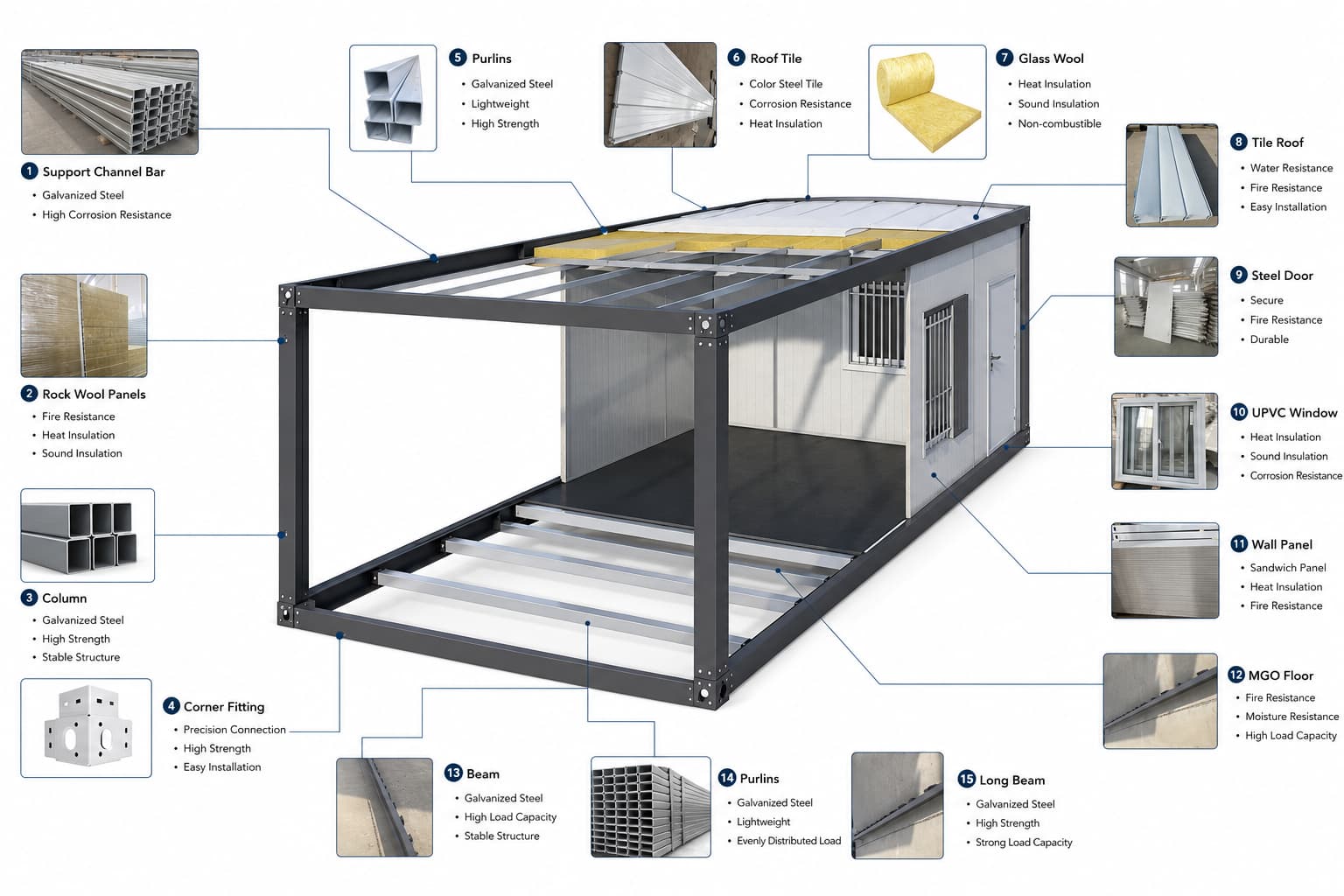
The structural backbone of many modern modular homes housing solutions is a galvanized steel frame. Compared with traditional wood-based construction, galvanized steel offers higher structural strength, improved dimensional stability, enhanced resistance to corrosion, and better long-term durability. For remote workforce housing and industrial accommodation projects, steel-framed structures provide dependable performance under both wind and snow loading conditions.
Advanced PU Sandwich Panel Insulation
Thermal insulation is one of the most critical factors affecting building performance in extreme climates. Many modern prefab homes utilize PU Sandwich Panels, which combine structural strength with excellent thermal insulation properties. Benefits include reduced heat loss during winter, improved indoor comfort, lower energy consumption, and enhanced temperature stability. This makes modern prefab homes for cold climates a practical solution for regions where temperature control is essential.
Weather-Resistant Exterior Systems
Modern prefab house systems often incorporate exterior materials specifically selected for environmental durability: anti-corrosion coatings, waterproof sealing systems, UV-resistant exterior finishes, and weatherproof roofing assemblies. Together, these components help protect the structure from rain, snow, dust, and long-term environmental exposure.
Factory-Controlled Manufacturing Quality
Unlike traditional buildings that rely heavily on on-site construction conditions, homes prefab homes are produced in controlled factory environments. This manufacturing process improves dimensional accuracy, joint consistency, material quality control, and weather sealing performance. As a result, factory-built structures often deliver greater reliability than comparable site-built alternatives.
🏗 Galvanized Steel Structure
Provides superior wind resistance and structural durability.
🌡 PU Sandwich Panel Insulation
Improves thermal efficiency in both hot and cold climates.
💧 Weatherproof Construction
Protects against rain, snow, and dust infiltration.
⚡ Fast Deployment
Ideal for remote projects and temporary accommodation.
Why More Companies Are Choosing Modular Housing Solutions
The growing adoption of modular construction is driven by practical business needs rather than architectural trends. Organizations operating in remote or weather-challenged regions often require buildings that can be deployed quickly while maintaining long-term performance.
Common reasons include: faster project deployment, reduced construction disruption, predictable quality, lower labor requirements, scalability for future expansion, and improved weather adaptability.
📊 Typical Reasons Companies Choose Modular Housing
Practical Applications in Remote and Challenging Environments
Modern modular construction serves a wide variety of industries that operate outside traditional urban settings.
📍 Where Are Prefab Homes Commonly Used?
- 🏗 Construction Worker Accommodation
- ⛏ Mining Camp Housing
- 🛢 Oil & Gas Workforce Housing
- 🏕 Eco Tourism Resorts
- 🚨 Emergency Relief Shelters
- 🌄 Remote Site Accommodation
Construction Worker Accommodation
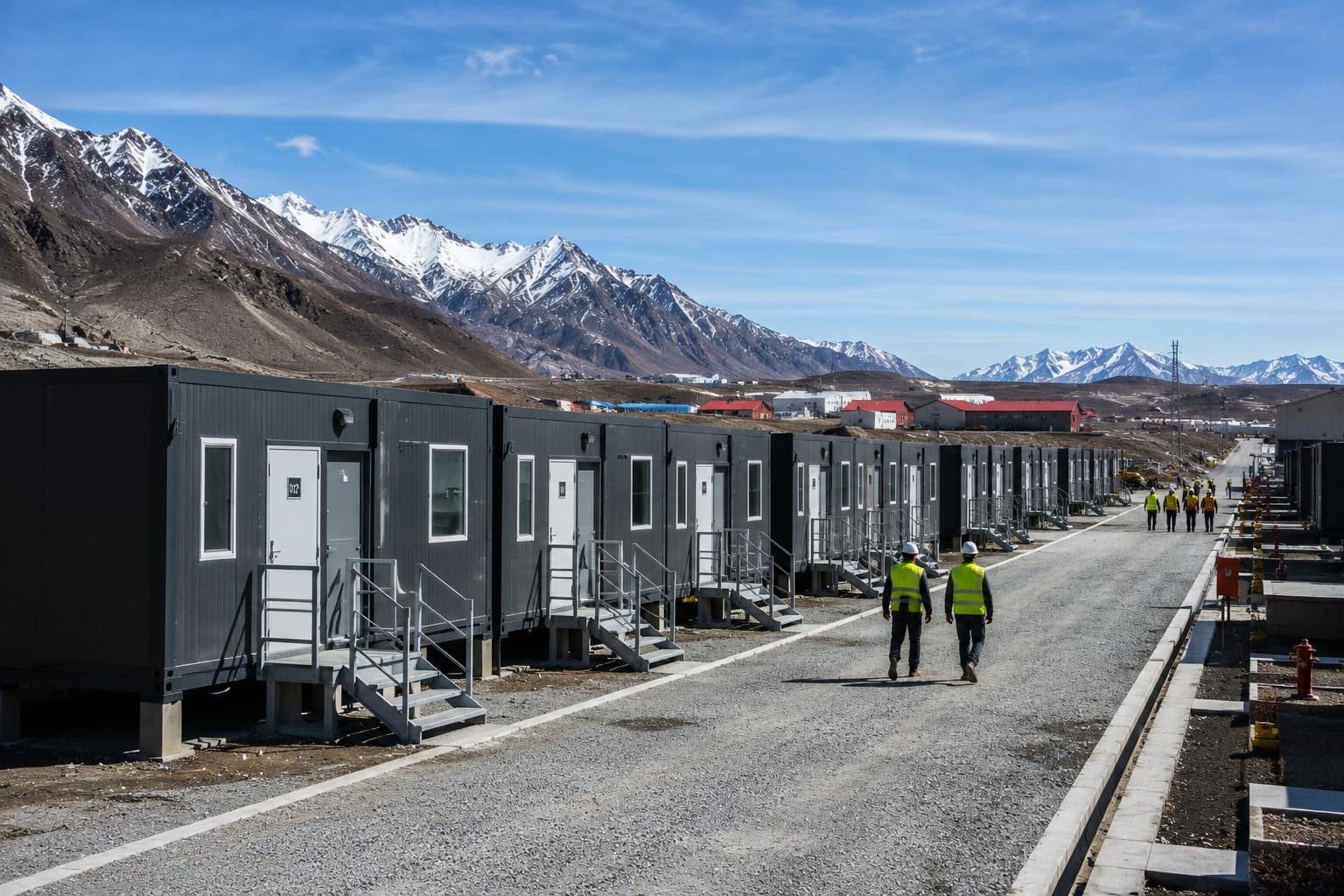
Infrastructure projects frequently require temporary or semi-permanent accommodation for workers. Traditional construction may not be practical when project schedules are tight or locations are remote. In these cases, prefab houses for worker accommodation offer a flexible solution that combines comfort, durability, and rapid deployment.
Mining Camp Accommodation
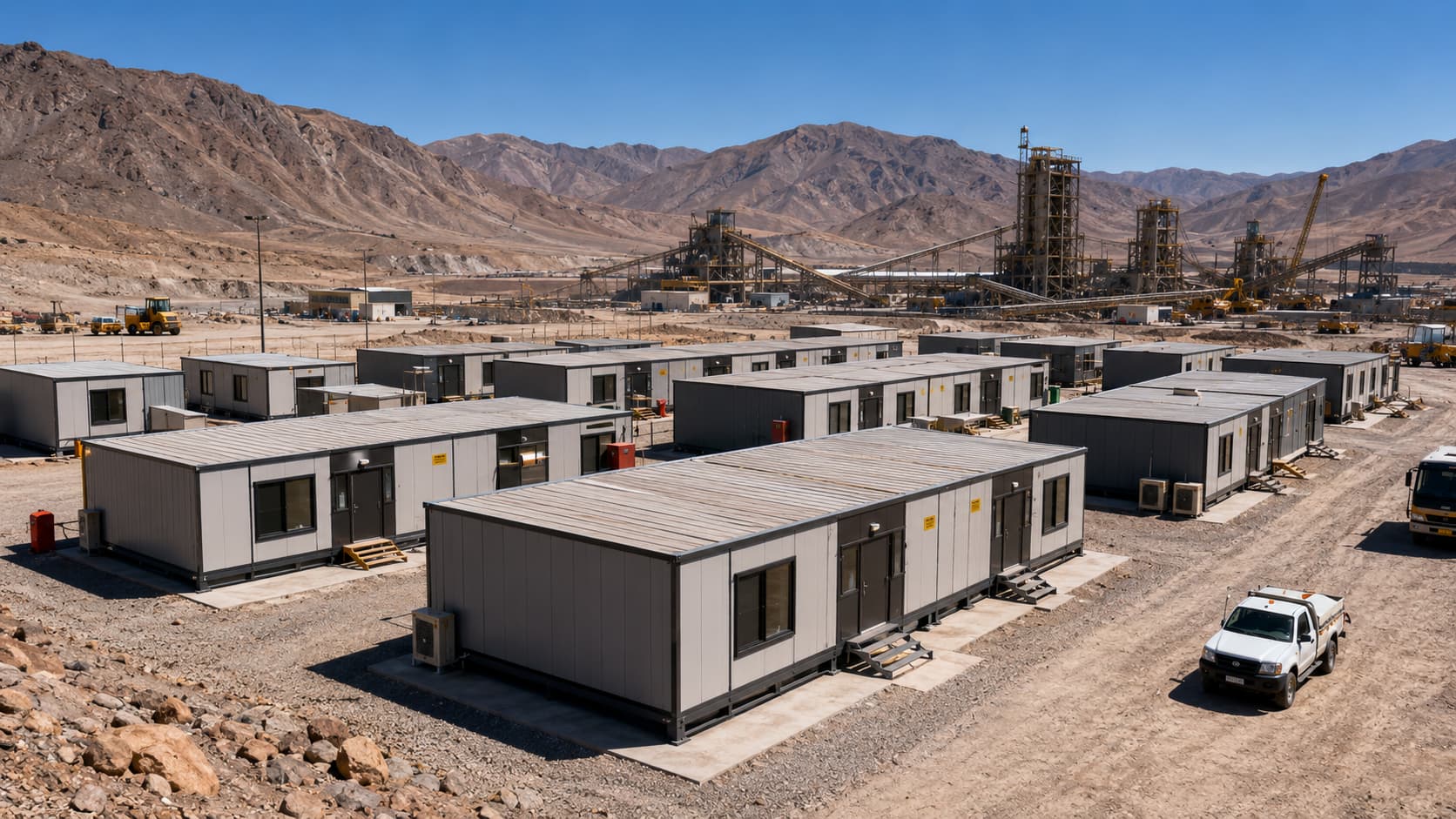
Mining operations often take place in isolated regions where permanent infrastructure is limited. Modern modular homes are commonly used for worker dormitories, dining facilities, site offices, and recreational spaces. Because modules can be expanded or relocated, they are particularly suitable for evolving mining projects.
Oil and Gas Workforce Housing
Energy projects often require housing solutions that can be transported and installed efficiently. A well-designed house modular home solution allows project operators to establish workforce accommodation quickly while maintaining acceptable living standards.
Tourism and Eco-Lodge Developments
Remote tourism destinations increasingly use modern modular homes to create accommodation with minimal environmental disruption. Compared with traditional construction, modular buildings often require shorter installation periods and reduced site disturbance.
Emergency and Temporary Housing
Following natural disasters or urgent infrastructure requirements, speed becomes a critical factor. Solutions such as foldable house systems and prefab home kits can provide rapidly deployable accommodation where conventional construction would take significantly longer.
What Buyers Should Evaluate Before Choosing a Prefab House
Not all modular structures are designed for the same environmental conditions. Before purchasing a prefab house, buyers should carefully review the following factors.
Before purchasing a prefab house, always verify local wind load requirements, snow load ratings, insulation specifications, and corrosion protection standards. Choosing the right configuration is often more important than choosing the lowest price.
Wind Load Rating
Verify that the building is engineered according to local wind load requirements. Higher wind regions require stronger structural systems and connection details.
Snow Load Capacity
Roof structures should be capable of safely supporting expected snow loads without deformation.
Insulation Specifications
Pay close attention to insulation material type, insulation thickness, and thermal performance ratings. These factors directly affect energy efficiency and occupant comfort.
Corrosion Protection
Galvanized steel frames and anti-corrosion treatments are particularly important in challenging outdoor environments.
Installation Quality
Even the best-designed modular homes depend on proper installation. Professional assembly and foundation preparation are essential for achieving long-term performance.
Conclusion
Harsh weather conditions require more than basic shelter. Buildings must be capable of resisting wind, snow, temperature fluctuations, and long-term environmental exposure while remaining comfortable and efficient for occupants.
Thanks to innovations such as galvanized steel frames, PU Sandwich Panel insulation, and factory-controlled manufacturing, today's modular homes, prefab homes, modern modular homes, and prefab houses have become reliable solutions for a wide range of applications. From construction worker accommodation and mining camp accommodation to tourism developments and emergency housing, modular construction continues to provide flexibility, durability, and performance where traditional construction methods may struggle.
Can modular homes withstand heavy snow?
Yes. Modern modular homes can be engineered to meet specific snow load requirements depending on regional climate conditions.
Are prefab homes suitable for cold climates?
With proper insulation systems such as PU panels or rock wool insulation, prefab homes can provide excellent thermal performance.
Can a foldable house be used as long-term housing?
Many foldable homes are designed for both temporary and semi-permanent applications, depending on structural specifications.
What industries commonly use modular housing?
Construction, mining, oil and gas, tourism, and emergency response sectors frequently use modular housing solutions.